Why the Most Valuable Resource of the 21st Century Isn’t Oil — It’s Information
“Data is the new oil.”
— Clive Humby
1. The Resource That Changed Everything

In the 20th century, the most powerful nations fought wars over oil.
Oil powered industries, transportation, militaries, and economic growth.
But the world has quietly entered a new era.

Today, the most valuable resource is not extracted from the ground.
It is generated every second by billions of people, devices, and systems.
That resource is data.
Every search query, every online purchase, every GPS movement, every social media interaction produces data. This information fuels the engines of modern technology—especially artificial intelligence.
And just like oil once determined global power, data is now shaping the balance of power in the digital age.
2. Why Data Became the Most Valuable Asset

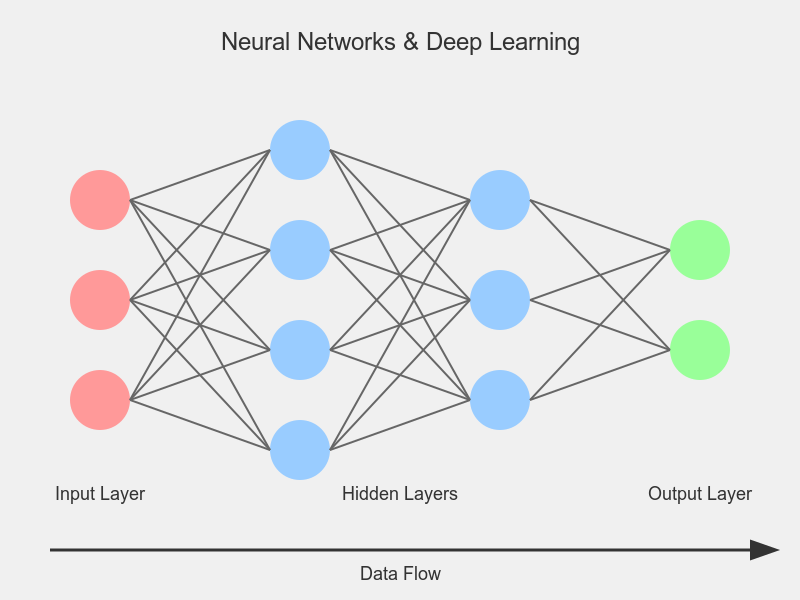
Artificial intelligence systems learn from large datasets.
The more data an AI system has access to, the better it becomes at:
- predicting behavior
- recognizing patterns
- automating decisions
- optimizing complex systems
This creates a powerful advantage.
Organizations that collect the most data can train better AI models, which in turn generate better products and services, attracting even more users and producing even more data.
This cycle creates what economists call a data network effect — where the biggest data holders continuously expand their lead.

3. The Three Fronts of the Data War
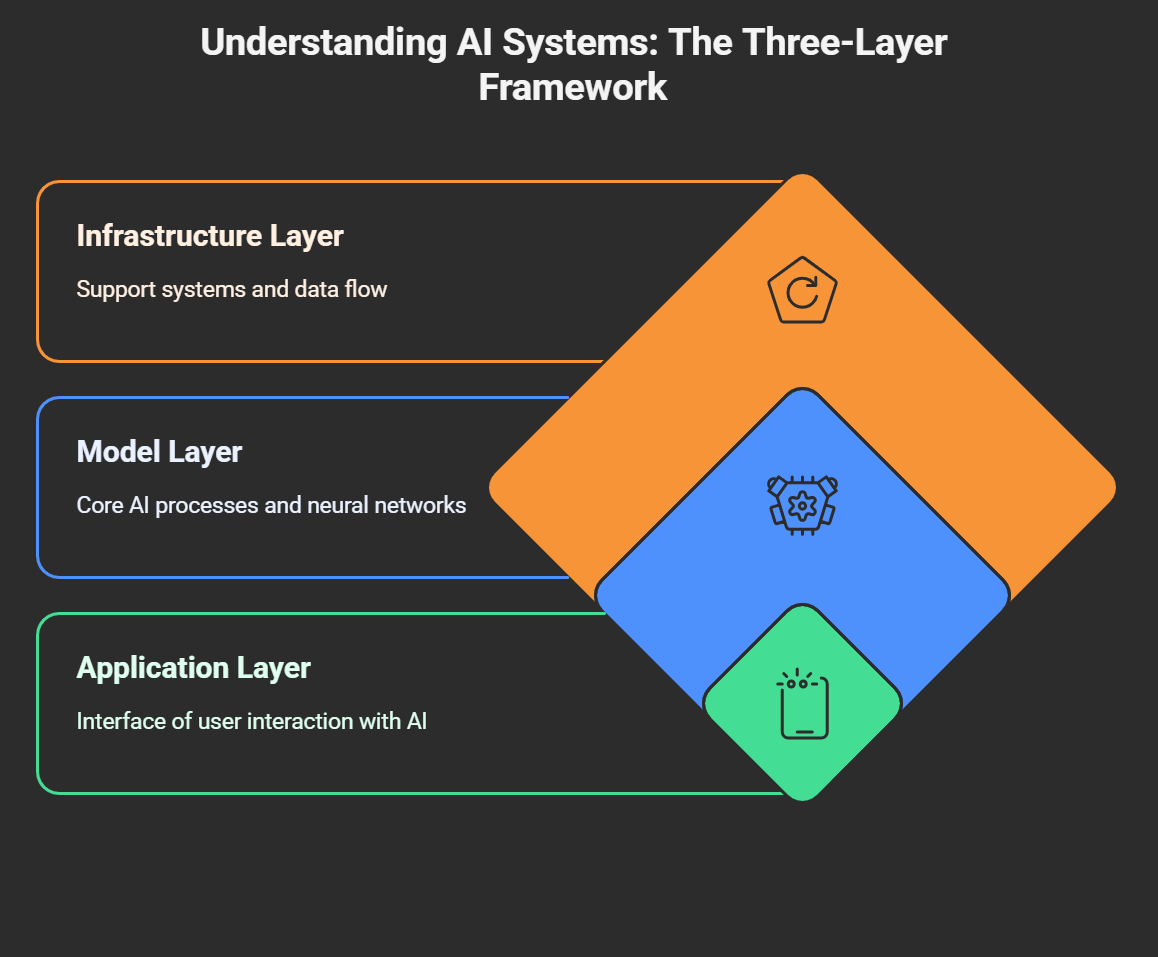
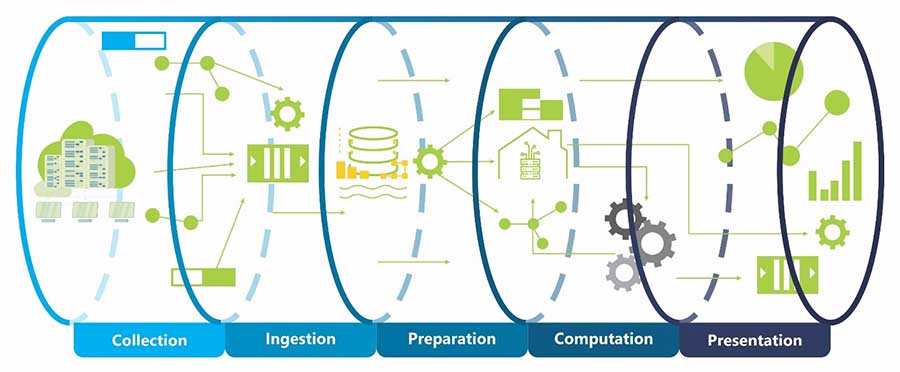
The battle for data is happening across three major layers.

1. Data Collection
This is where data originates.
Sources include:
- smartphones
- websites
- payment systems
- connected devices
- sensors and IoT networks
Every digital interaction produces new information.
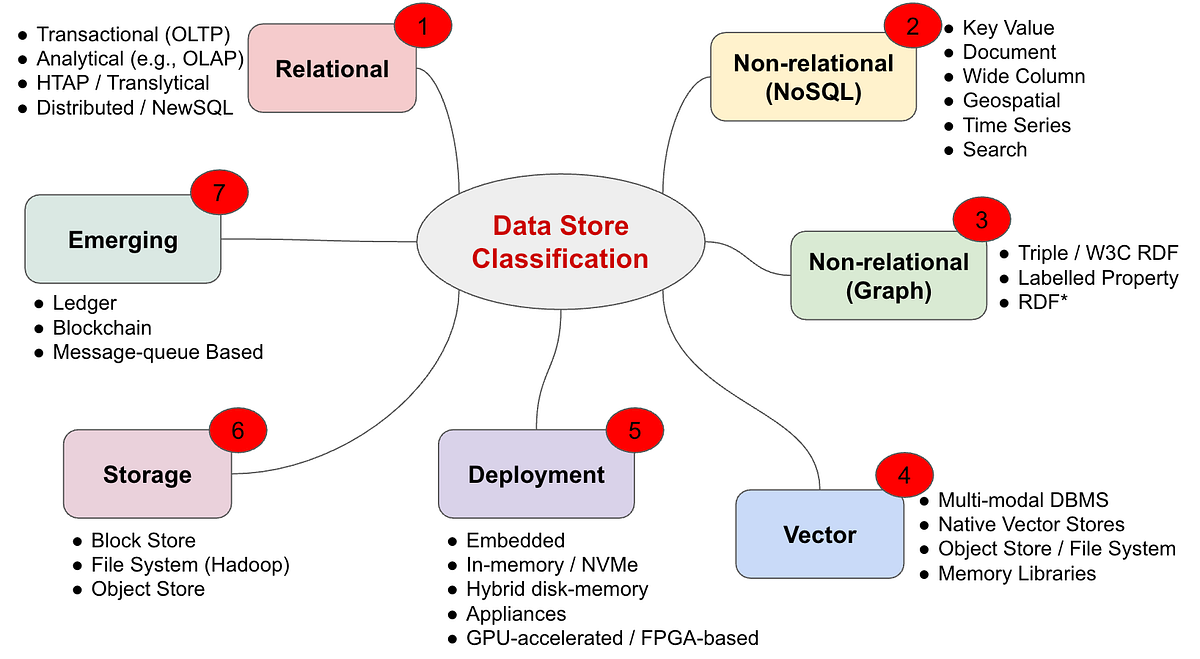
2. Data Infrastructure
Once collected, data must be stored and processed.

This requires enormous infrastructure:
- data centers
- cloud platforms
- storage systems
- distributed computing
These systems form the digital backbone of the modern economy.
3. Data Intelligence
The final layer converts raw data into insight.
This includes:
- machine learning models
- predictive algorithms
- recommendation systems
- automation engines
Here is where data becomes power.
4. Nations Are Entering the Race
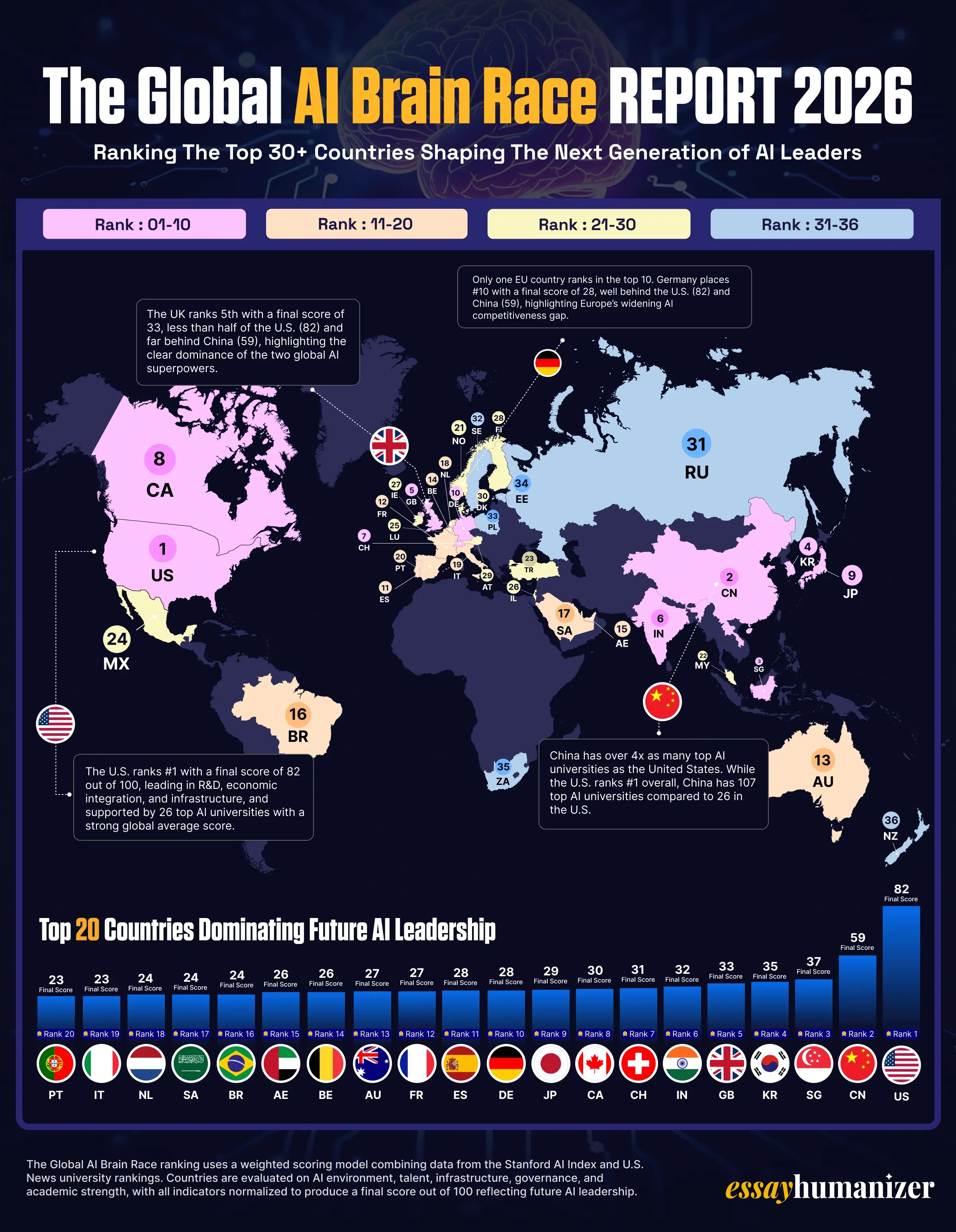
The war for data is not just happening between companies.
It is also happening between nations.
Countries increasingly recognize that data will determine the future of:
- economic strength
- military capabilities
- technological leadership
Governments around the world are investing heavily in:
- national AI strategies
- digital infrastructure
- semiconductor manufacturing
- data regulation and control
The countries that lead in these areas will shape the global technological order for decades.

5. The Rise of Data Empires

Some of the largest companies in the world have built their dominance on data.
Their platforms collect enormous volumes of information from billions of users daily.
This allows them to:
- improve algorithms
- personalize services
- optimize advertising
- predict consumer behavior
Over time, these capabilities create data empires — ecosystems where users, businesses, and developers become deeply interconnected.
The result is a powerful competitive moat that is difficult for new companies to overcome.
6. The Risks of Data Concentration
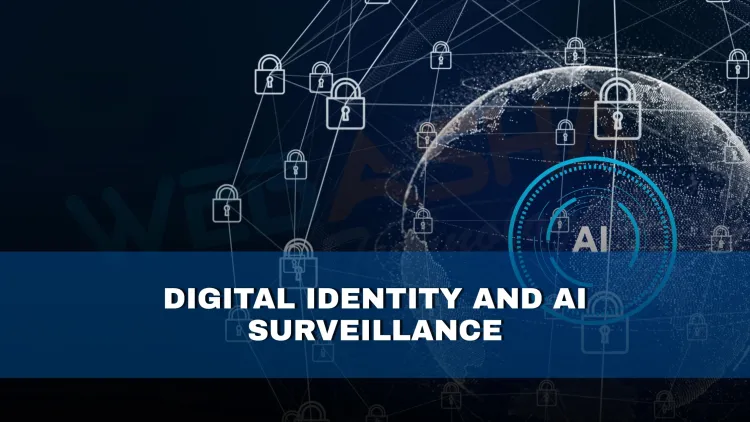
However, the rise of data power also brings serious concerns.
Large-scale data concentration raises questions about:
- privacy
- surveillance
- algorithmic bias
- information control

When a small number of organizations control massive datasets, they may influence:
- economic markets
- public opinion
- political processes

Balancing innovation with privacy and ethical governance will become one of the central challenges of the AI era.
7. The Next Strategic Resource
History often repeats itself in new forms.
In the past:
- coal powered the industrial revolution
- oil powered the modern economy
Now, data is powering the intelligence economy.

Organizations that control valuable datasets will build the next generation of:
- AI systems
- autonomous technologies
- digital platforms
- intelligent infrastructure
In many ways, data is becoming the strategic resource of the 21st century.
Closing Insight — The Quantdig Perspective
The coming decade will not simply be about better algorithms or faster computers.
It will be about who controls the data that feeds those systems.
The companies and nations that win the war for data will define the future of artificial intelligence, global commerce, and digital power.
And unlike oil fields buried deep beneath the earth,
this new resource is being generated every second — by all of us.