
Because when information is everywhere, knowing stuff is not good enough. You need to know what to know and how to make an impact with it.

For decades, success followed a predictable script:
study hard, work longer hours, climb steadily.
That script worked when stability was the reward.
Today, stability is fragile.
Information is everywhere. Tools are cheap. Opportunities appear and disappear fast.
And yet, many people are still running harder on paths that no longer lead anywhere.
The most effective minds I know aren’t louder, busier, or more visible.
They’re quieter — and far more intentional.
Familiar Effort No Longer Guarantees Progress

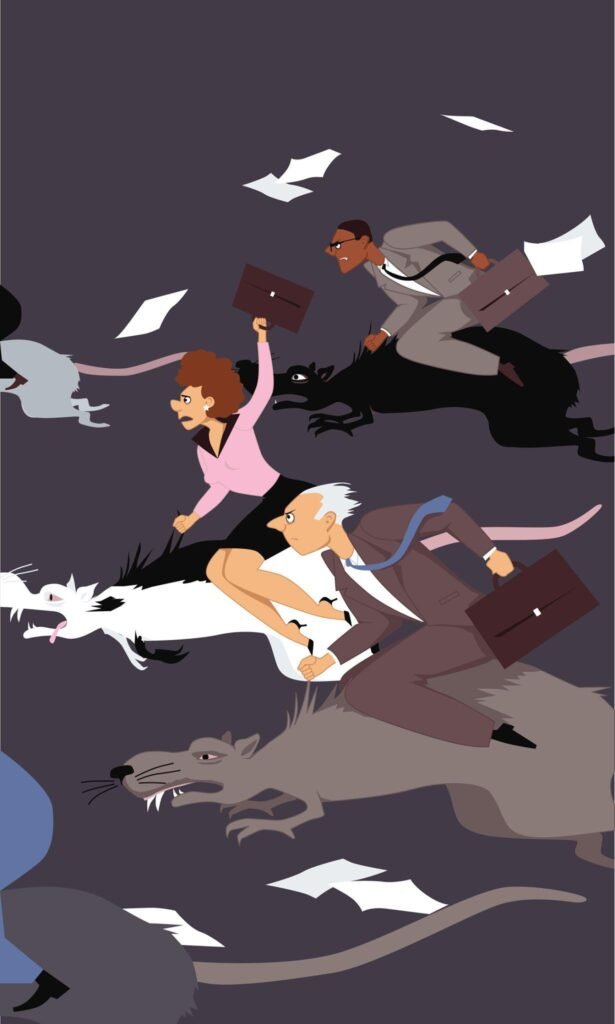
Hard work still matters — but it no longer compounds automatically.
Degrees don’t age well.
Job titles decay faster than ever.
Effort without leverage now has diminishing returns.
The problem isn’t laziness.
It’s direction.
When everyone has access to the same information, knowing facts becomes a commodity.
Understanding which problems matter becomes the advantage.
Attention Is the New Currency

The modern world doesn’t compete for your time.
It competes for your attention.
Notifications, feeds, urgency, trends — all designed to keep you reactive.
The smartest people aren’t immune.
They’re selective.
They treat attention like capital:
- Spent deliberately
- Protected aggressively
- Invested where it compounds
If you can control what you focus on, you control what you become good at.
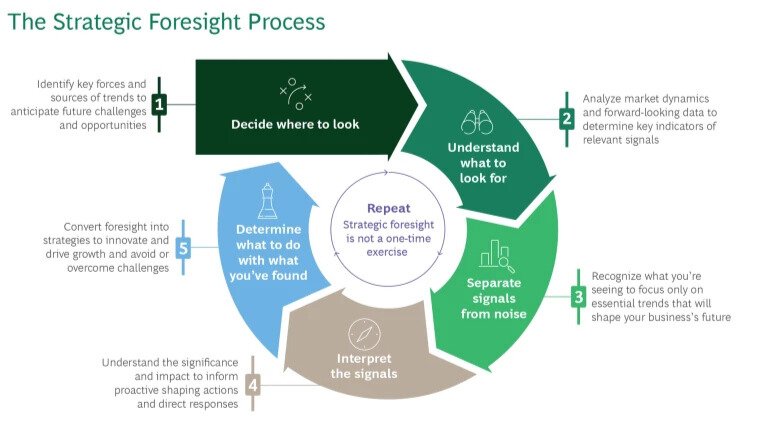
Learning What Not to Learn

The skill is no longer consuming more information.
It’s filtering.
Quiet learners ask different questions:
- Will this still matter in five years?
- Does this create optionality?
- Can this skill stack with others?
They don’t chase trends blindly.
They build foundations that make trends irrelevant.
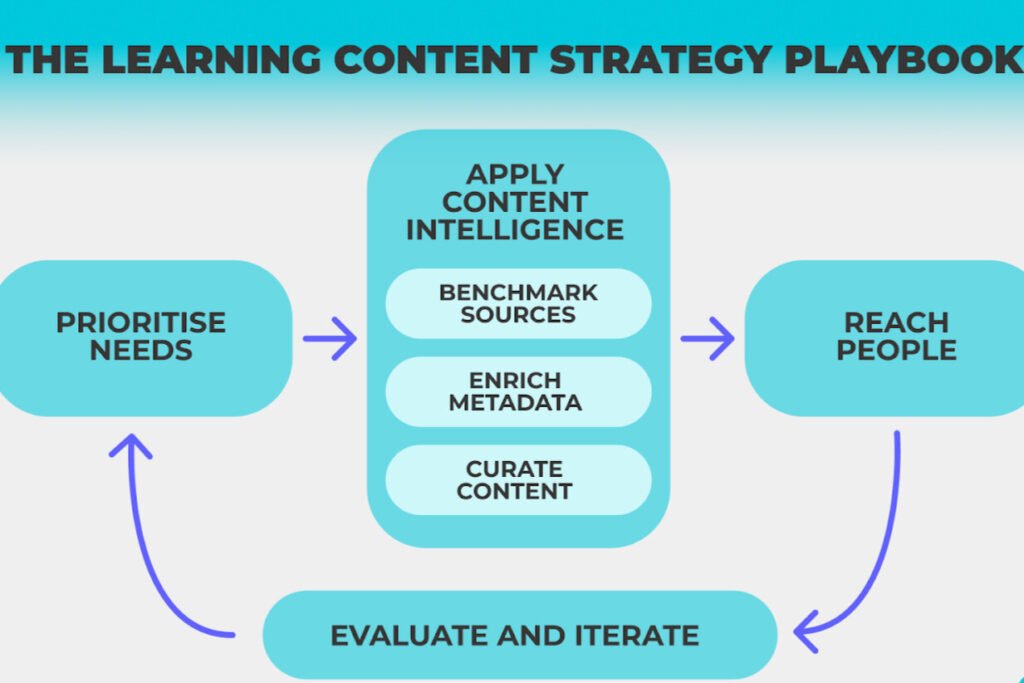
Systems Beat Motivation
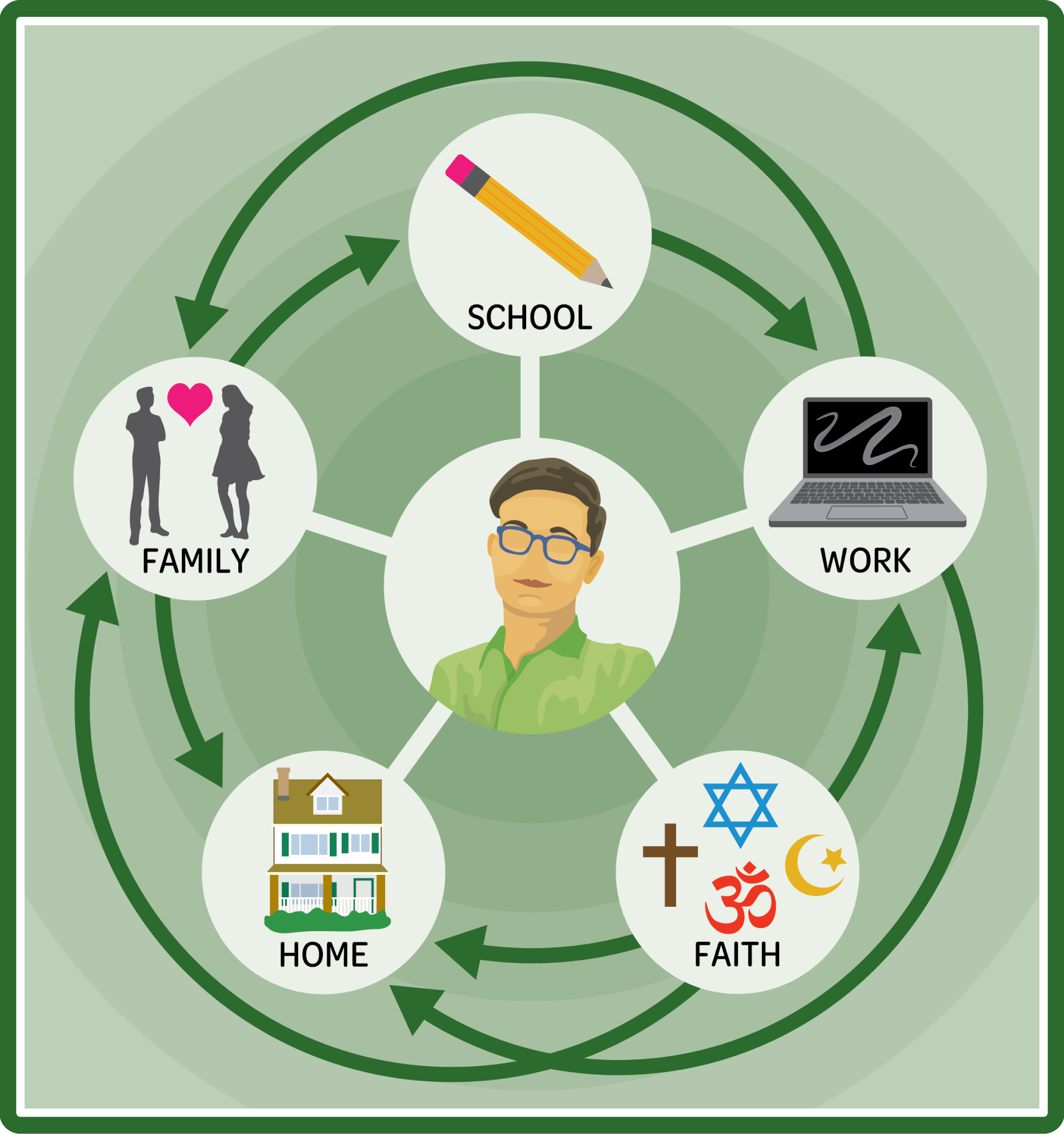
Motivation is emotional.
Systems are structural.
Effective people design environments where progress happens by default:
- Clear routines
- Reduced friction
- Feedback loops
They don’t rely on willpower.
They rely on design.
This is why their progress looks slow — until suddenly it looks inevitable.
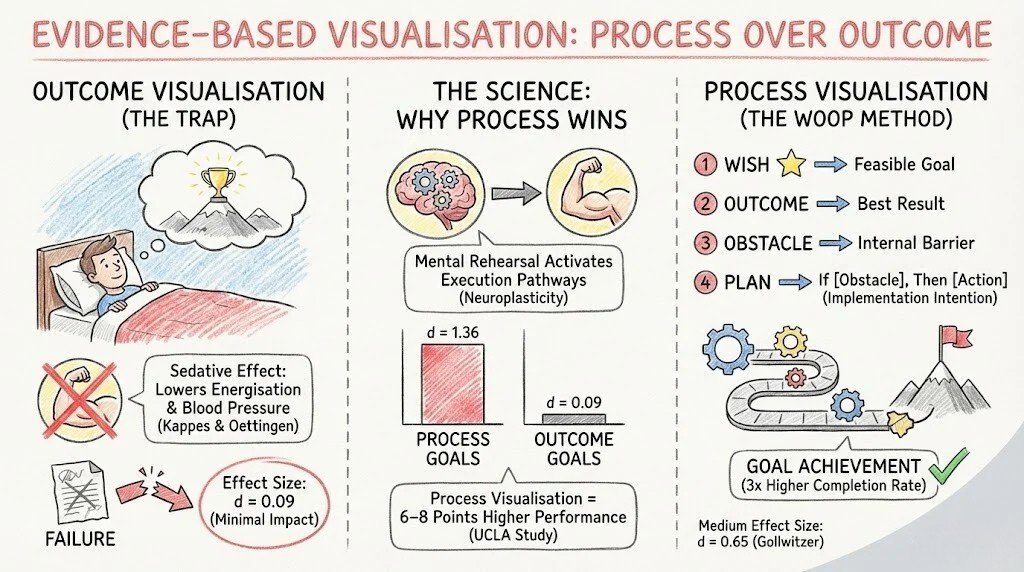
Thinking in Second-Order Effects
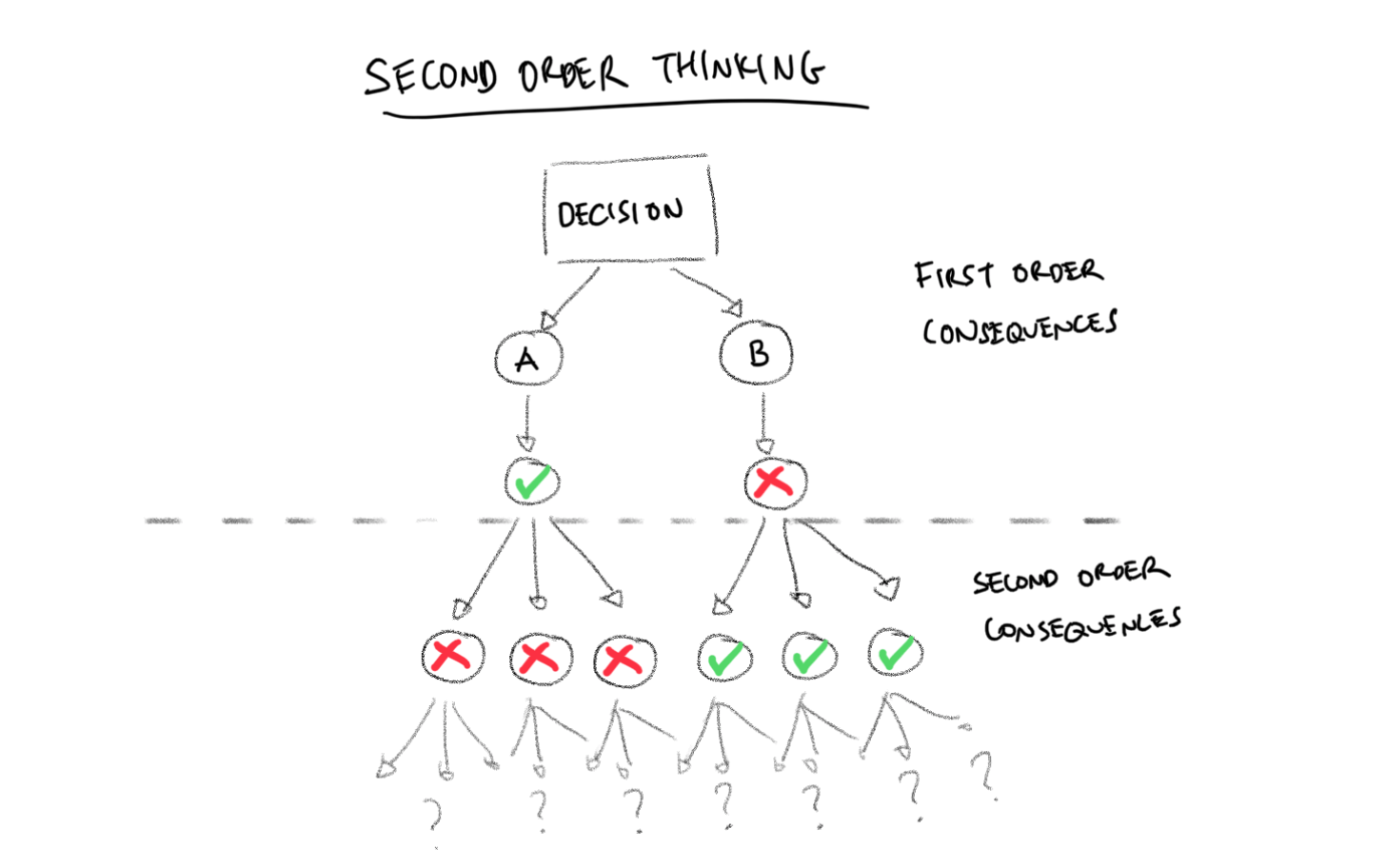
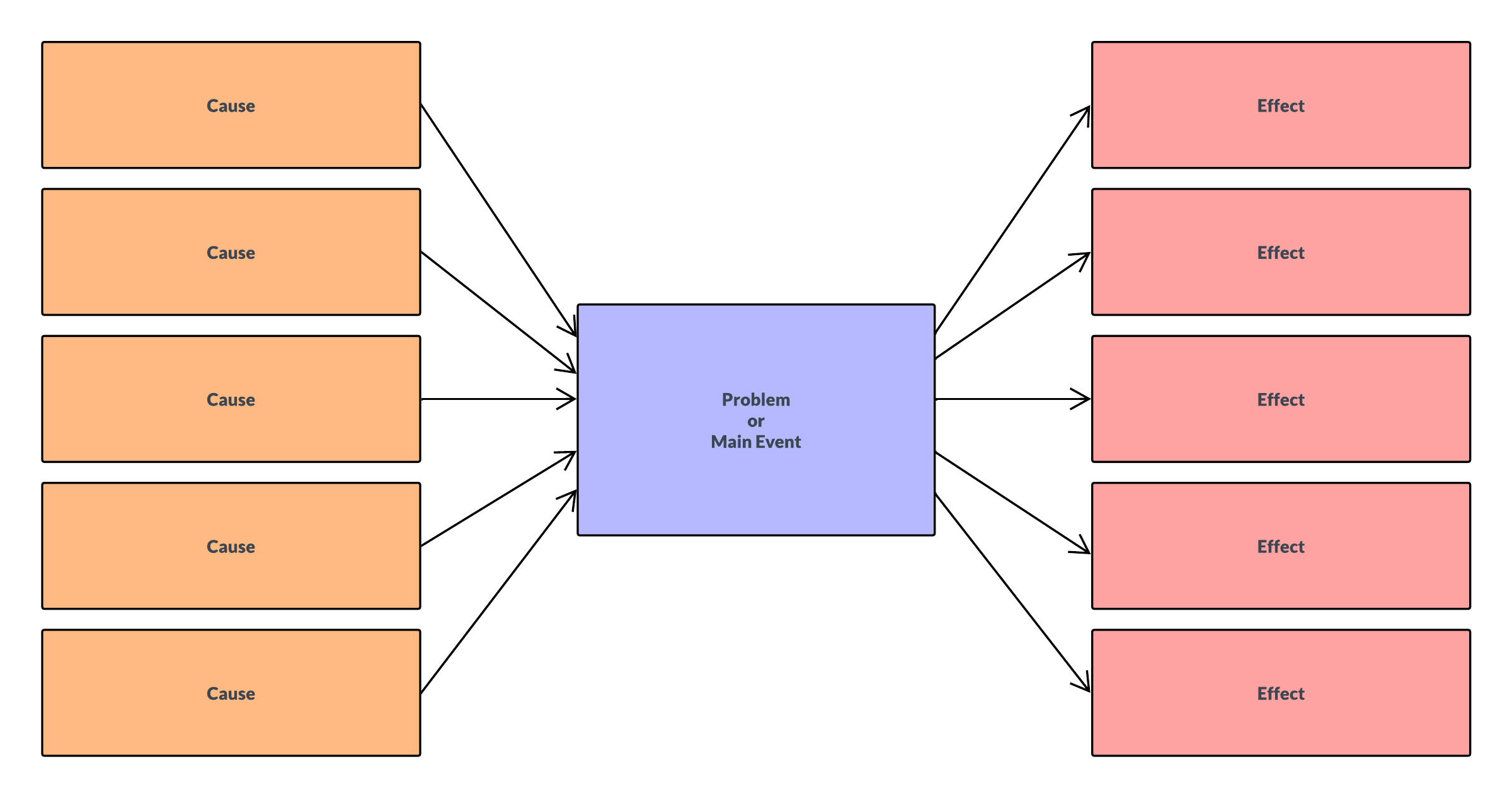
Most people react to outcomes.
Quiet thinkers anticipate consequences.
They ask:
- What happens after this works?
- What breaks if this scales?
- Who benefits if this fails?
This habit alone separates operators from leaders, and builders from spectators.
Building Leverage, Not Just Skills
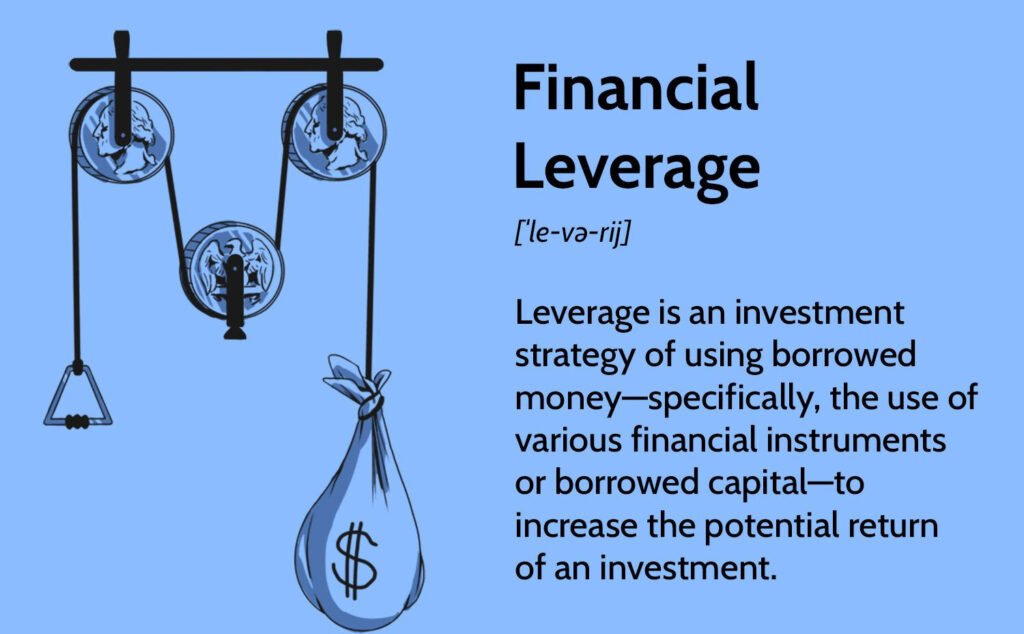
The smartest people don’t just improve themselves.
They build things that work for them:
- Code
- Content
- Systems
- Processes
- Teams
Effort applied once, value generated repeatedly — that’s leverage.
Hustle is linear.
Leverage is exponential.
Why This Matters Now
The world isn’t slowing down.
But clarity creates calm.
Those who win long-term won’t be the loudest, fastest, or busiest —
They’ll be the ones who chose carefully what to learn, where to focus, and what to ignore.
Quiet mastery scales.
Noise doesn’t.
Quantdig Perspective
At Quantdig, we believe modern advantage isn’t about knowing more —
It’s about thinking better, building smarter, and executing quietly.
In a noisy world, clarity is power.