

Why Small Teams Now Outperform Large Organizations
For decades, scale meant headcount.
More employees meant more capability.
More managers meant more control.
More departments meant more power.
But in 2026, scale without leverage is friction.
And small teams — when properly architected — are outperforming giants.
Not because they work harder.
Because they are structured differently.
1️⃣ The Coordination Tax Is Compounding
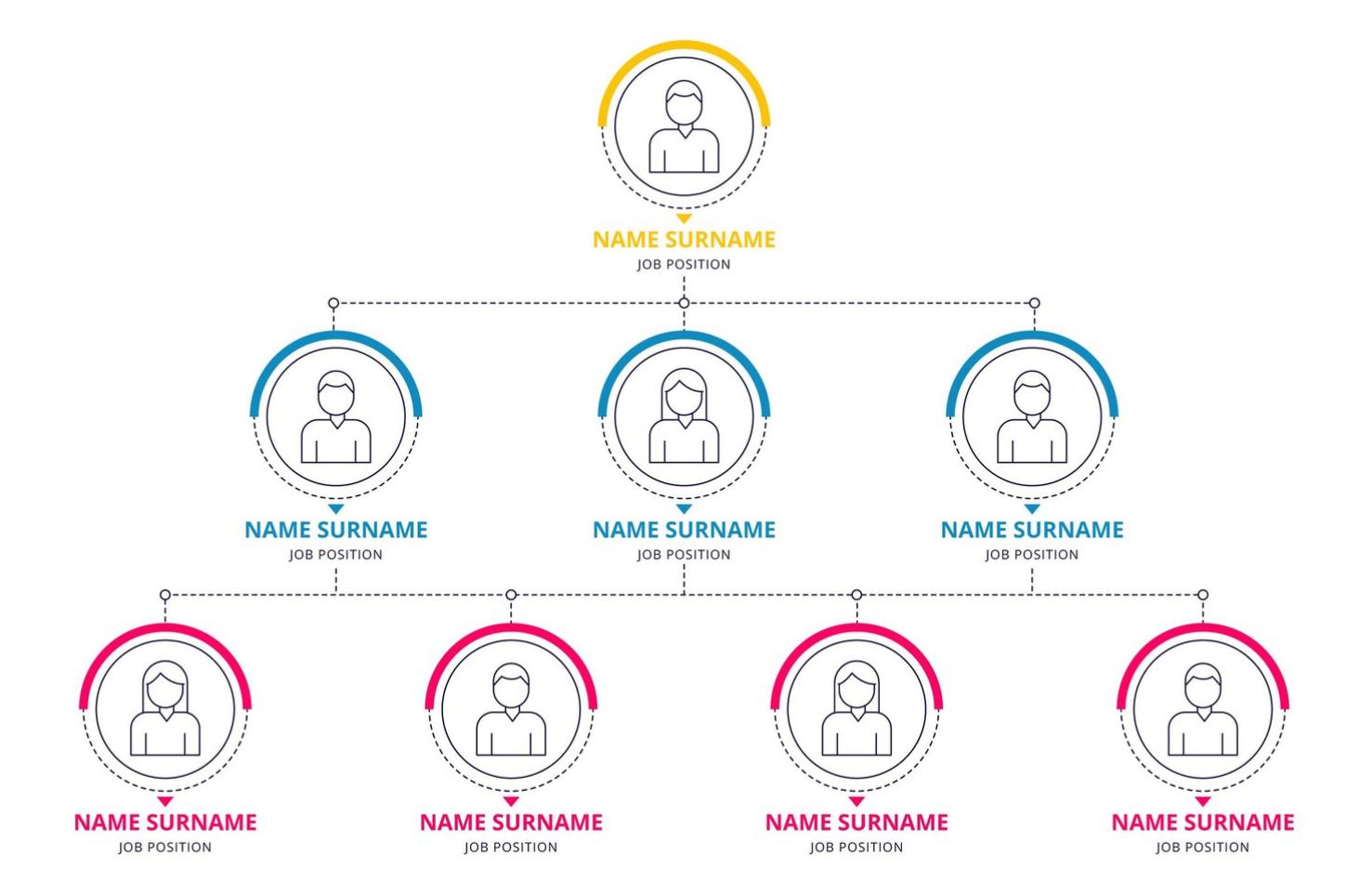
Large organizations don’t just scale output.
They scale communication.
Every additional layer introduces:
- Alignment meetings
- Reporting loops8
- Approval chains
- Internal negotiation

This creates what we call the Coordination Tax.
Small teams bypass it.
Large teams absorb it.
Speed doesn’t disappear because of talent.
It disappears because of structure.
2️⃣ AI Collapsed the Execution Advantage
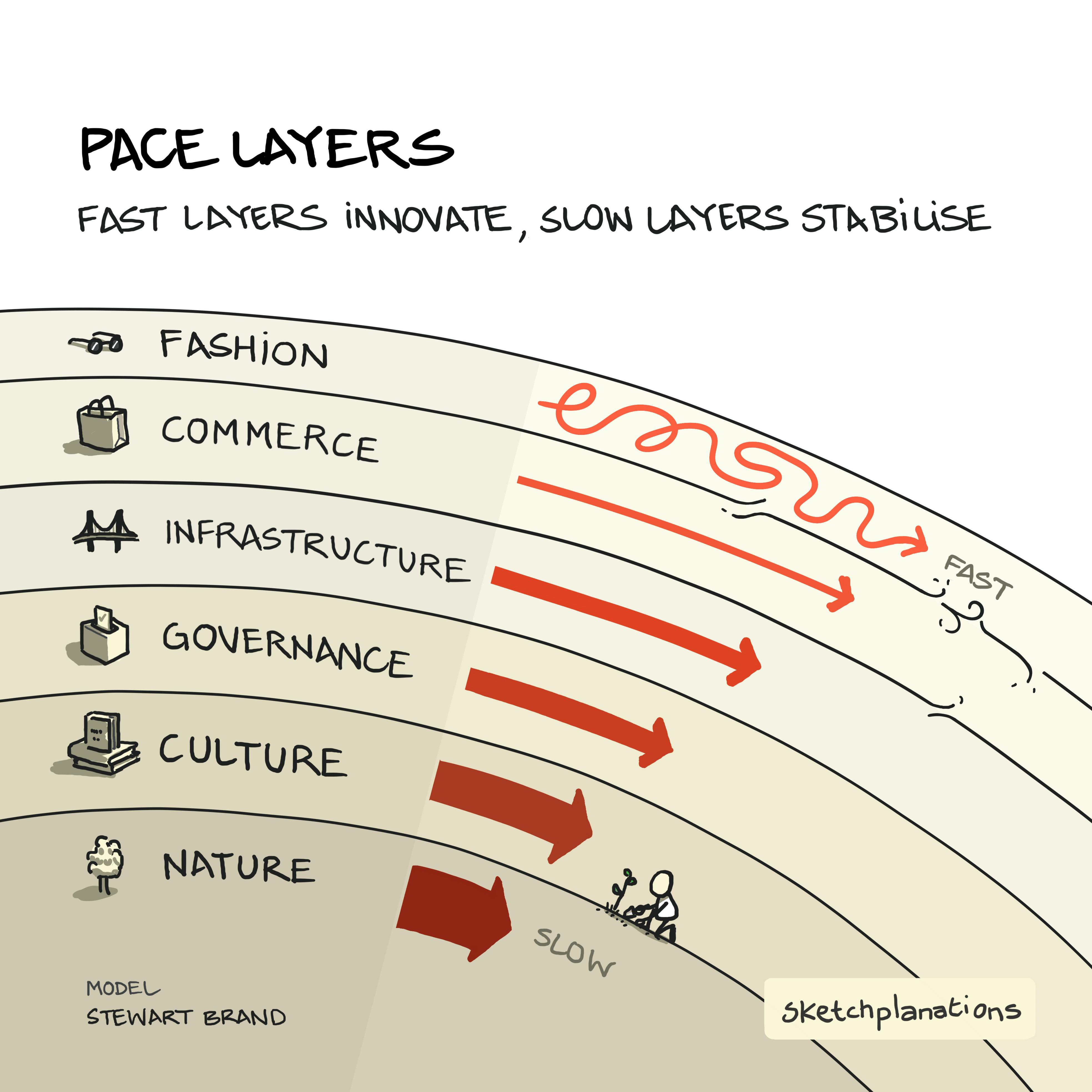
Historically, big companies won because they could deploy more people.

Now AI compresses that advantage.

A 6-person team using:
- AI coding assistants
- Automated QA
- Generative research tools
- AI-driven analytics
can achieve what previously required 25.

Execution scale is no longer exclusive to headcount.
Leverage replaced labor.
3️⃣ Decision Latency Is a Silent Killer

In small teams, decisions happen in hours.
In large organizations, they cascade through:
- Strategy reviews
- Budget validation
- Legal checkpoints
- Stakeholder alignment
The delay isn’t incompetence.
It’s structural inertia.
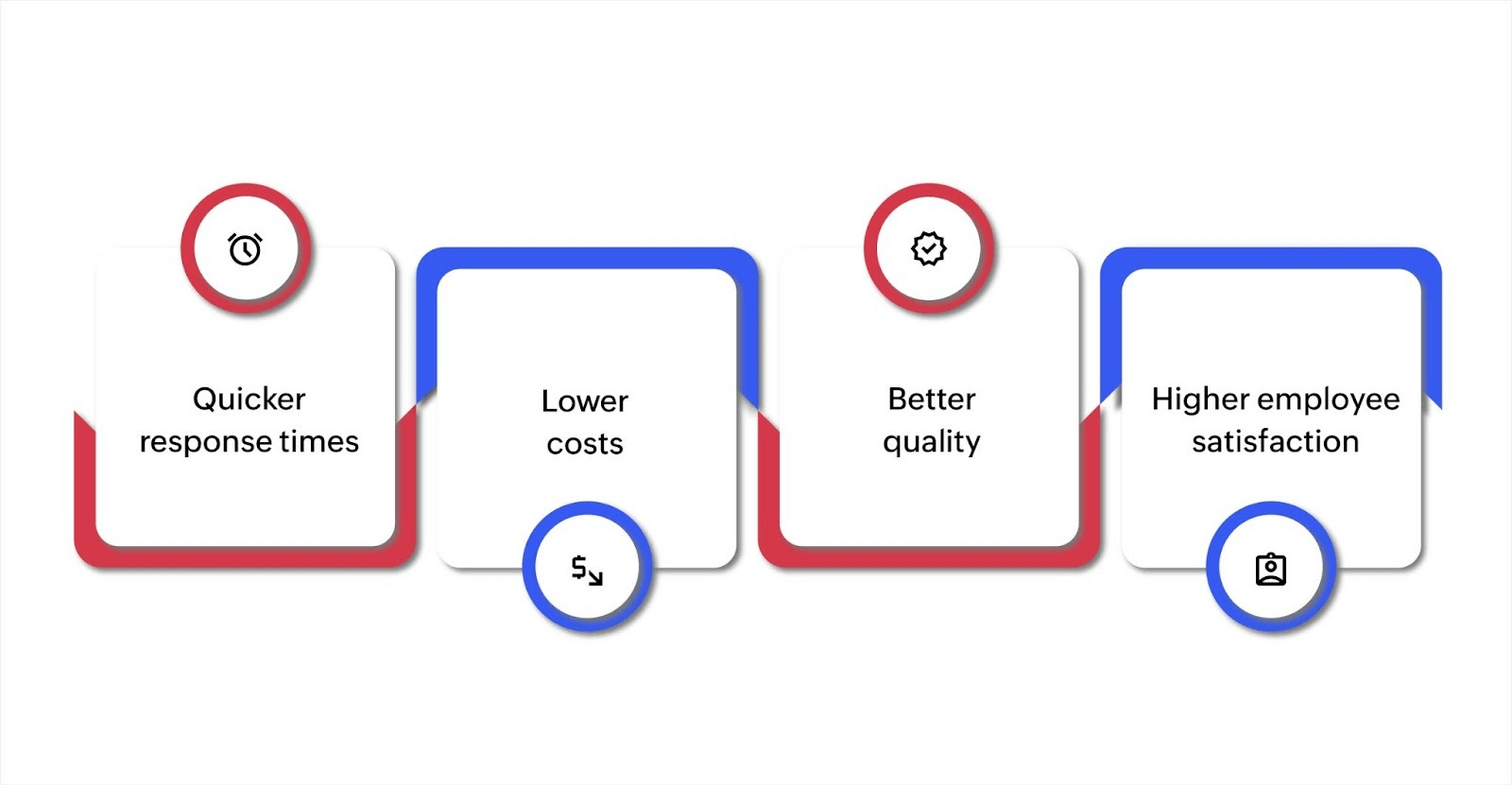
In volatile markets, decision latency compounds faster than effort.
4️⃣ Ownership Density Drives Performance

In small teams, everyone owns something critical.
In large teams, ownership diffuses.
Diffuse ownership reduces urgency.
Reduced urgency reduces momentum.
High ownership density creates accountability.
And accountability accelerates leverage.
5️⃣ Infrastructure Replaced Headcount

The companies outperforming today don’t hire faster.
They architect better.
They invest in:
- Automation pipelines
- AI orchestration
- Platform-level tooling
- Internal systems
Infrastructure compounds silently.
Headcount compounds expensively.
6️⃣ Capital Efficiency Became the Ultimate Metric
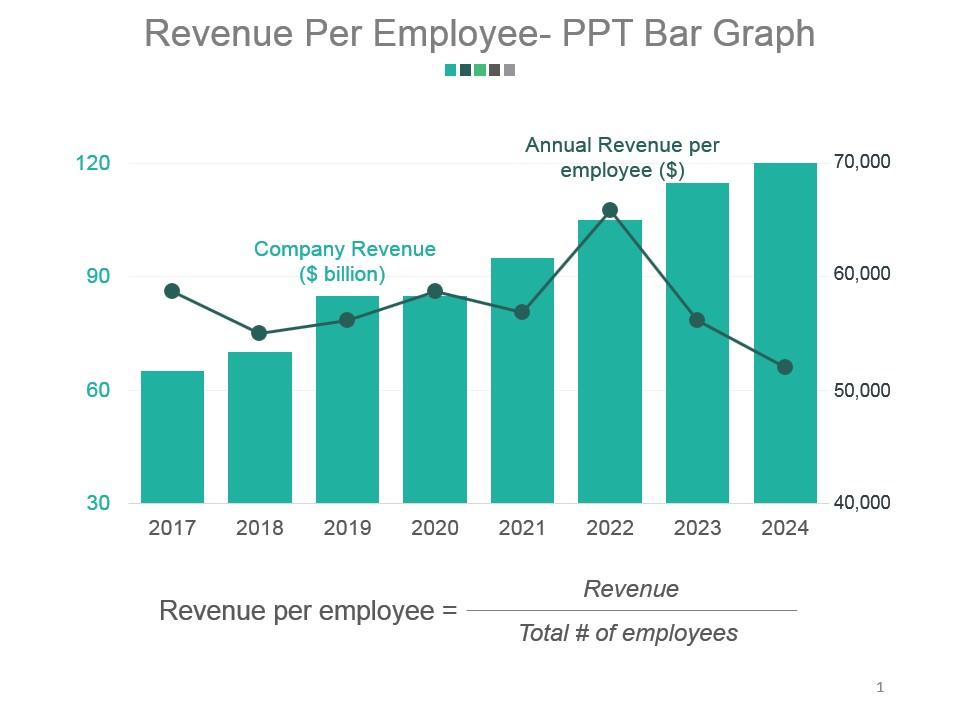
Markets no longer reward raw growth.
They reward:
- Revenue per employee
- Margin durability
- Cost discipline
- Output efficiency
Small teams with high leverage dominate these metrics.
The Leverage Divide isn’t philosophical.
It’s financial.
7️⃣ The Real Divide: Leveraged vs Bloated


This isn’t about small vs big.
It’s about leveraged vs bloated.
A small team with:
- Clear accountability
- AI integration
- Strong infrastructure
- Fast decision loops

can outperform a 200-person department optimized for a previous era.
Size used to signal power.
Now structure signals power.
🧠 Quantdig Insight
The Leverage Divide explains:
- Why startups are shipping faster
- Why enterprises feel slower
- Why layoffs didn’t reduce output proportionally
- Why experience without leverage feels fragile
The future doesn’t belong to the largest teams.
It belongs to the most architected ones.
Final Thought
Headcount is visible.
Leverage is invisible.
But markets price invisibility correctly.
The organizations that win next decade won’t hire faster.
They’ll design smarter.
— Quantdig