

And It Wasn’t Random
According to public layoff trackers like layoffs.fyi, more than 126,000 tech roles were cut in 2025.
Not transitioned.
Not restructured.
Eliminated.
But something unusual appeared when you compare companies, functions, and hiring rebounds.
The cuts were not evenly distributed.
They were targeted.
And the pattern tells us more about the future of tech than the layoffs themselves.
1. Automation-Exposed Roles Shrunk Fastest

Roles heavily exposed to:
- Repetitive coding
- Manual QA
- Basic content generation
- Standardized frontend implementation

saw disproportionate impact.
Not because those professionals lacked skill.
But because their output became easier to automate, outsource, or augment with AI copilots.
The market didn’t punish effort.
It repriced replaceability.
2. System Owners Were Rarely Cut
Architects. Platform engineers. Security leads. SREs.
People who:
- Owned production reliability
- Understood infrastructure end-to-end
- Managed system risk
were significantly less exposed.
Because automation reduces task work.
It does not reduce accountability.

And someone still has to own uptime.
3. AI Didn’t Replace Jobs. It Reweighted Value.


The narrative says AI eliminated jobs.
The data suggests something subtler:
AI compressed mid-skill layers.
Engineers who could:
- Orchestrate AI systems
- Integrate APIs
- Build retrieval pipelines
- Implement governance
became more valuable.
Engineers who relied purely on execution volume became less differentiated.
4. Product + Business Fluency Became a Shield

During layoffs, companies protect revenue.
Engineers who:
- Understood customer impact
- Knew cost structures
- Influenced roadmap tradeoffs
- Connected tech to margin
were treated differently.
The safest roles weren’t just technical.

They were economically aware.
5. The 7 Roles That Quietly Expanded


Based on hiring rebounds and funding patterns, growth clustered around:
- AI Integration Engineers
- Machine Learning Infrastructure Engineers
- Security & AI Governance Specialists
- Site Reliability Engineers
- Cloud Cost Optimization Engineers
- Data Engineers (Pipeline + Observability focus)
- Platform / DevEx Engineers

These roles share one trait:
They protect systems under scale.
🧠 Quantdig Framework: Skill Positioning Matrix
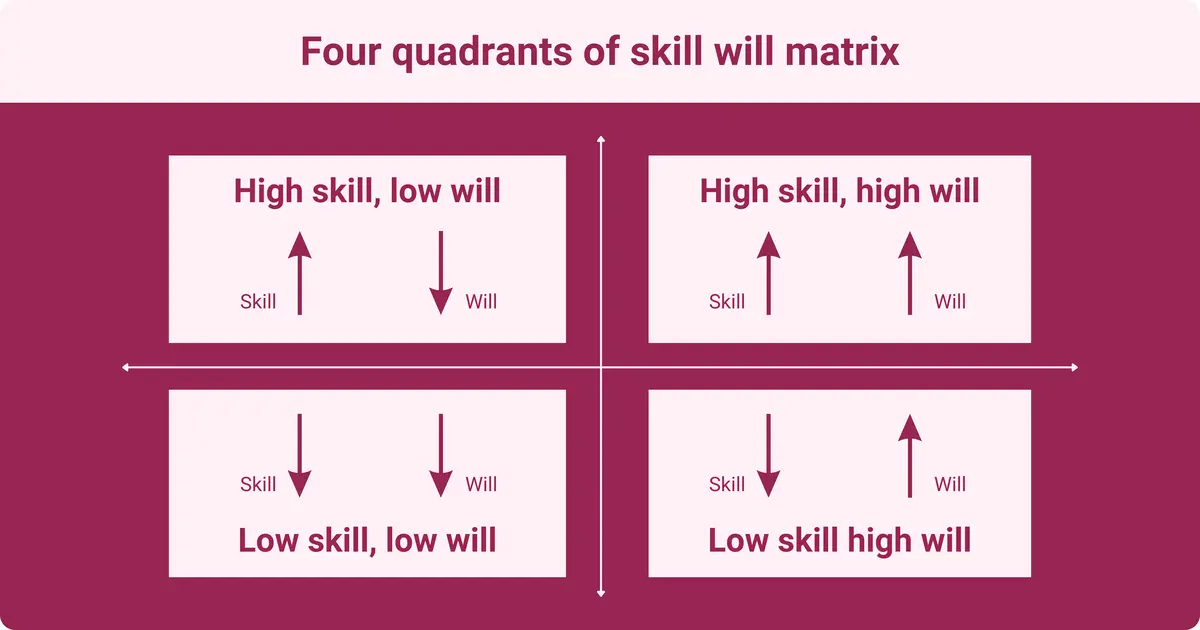
Plot any tech role across two axes:
X-Axis: Replaceability (Automatable → Hard to Automate)
Y-Axis: System Impact (Local Task → Org-Level Risk)

Top-right quadrant (Hard to automate + High system impact)
= Layoff-resistant positioning.
Bottom-left quadrant
= High exposure.
The layoffs weren’t random.
They were structurally predictable.

Final Insight
The 2025 layoffs were not a talent purge.
They were a repricing event.
Companies no longer pay premiums for output volume.
They pay for:
- Ownership
- Integration
- Risk management
- Scalability
- Economic alignment
AI didn’t end tech jobs.
It ended comfortable positioning.