
Vision is common. Execution is rare.
Every company today claims to be:
- Agile
- Cloud-native
- AI-ready
- Scalable
But when deadlines tighten, traffic spikes, or incidents hit production, only a few teams consistently deliver.
At Quantdig, we believe the real differentiator isn’t ideas — it’s execution maturity.
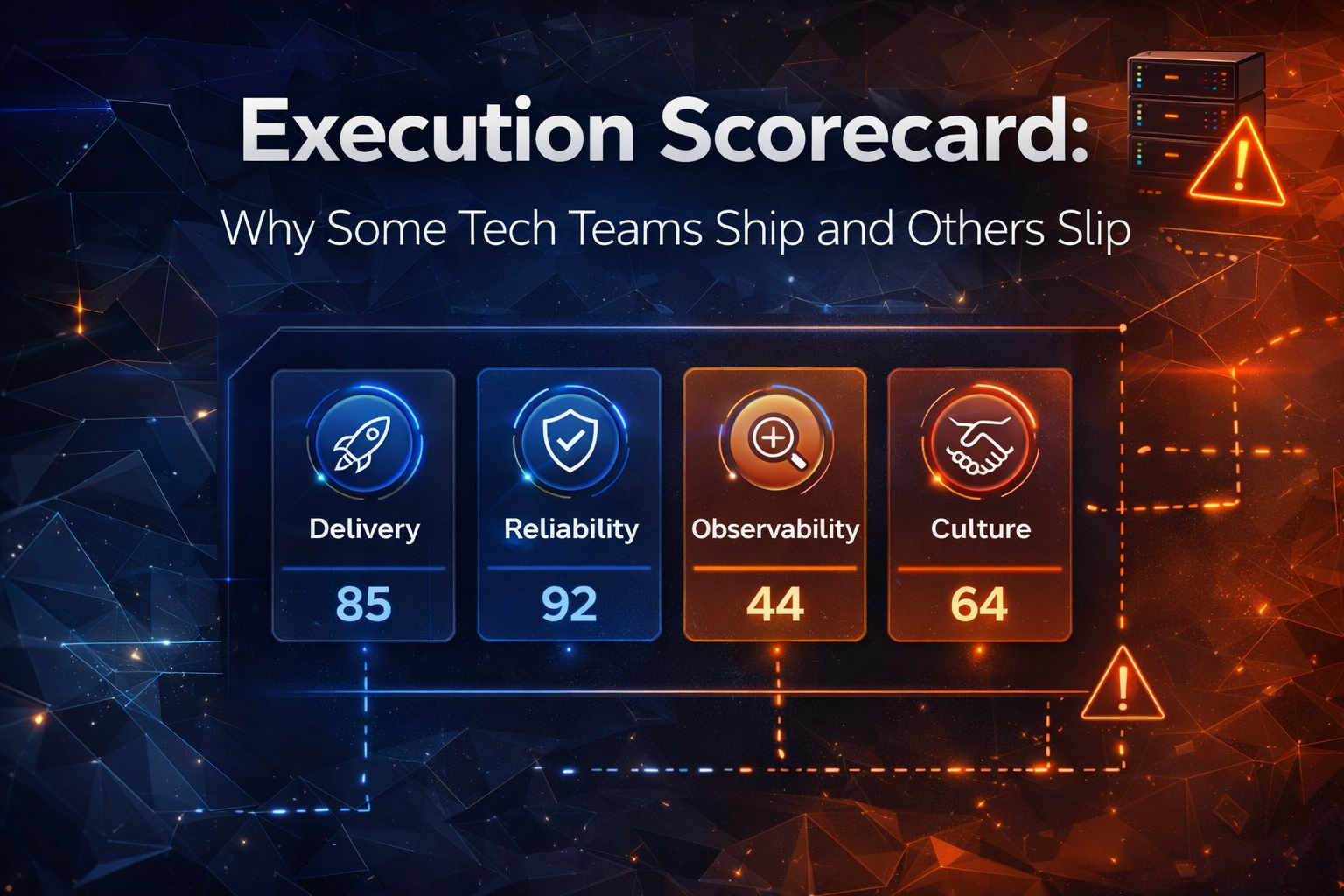
This article introduces the Technology Execution Scorecard: a framework to evaluate whether a tech organization can reliably turn plans into production reality.
⚙️ What Is Technology Execution?
Execution is the ability to:
- Ship features on time
- Keep systems stable under pressure
- Recover fast when things break
- Embed security and quality by default
Execution answers one brutal question:
“Can this team deliver when it actually matters?”
The Quantdig Technology Execution Scorecard
We evaluate execution across 8 critical dimensions. Each dimension reveals a different failure or success pattern.
1. Delivery Predictability
Do releases happen when promised?
Strong teams:
- Ship frequently
- Avoid last-minute surprises
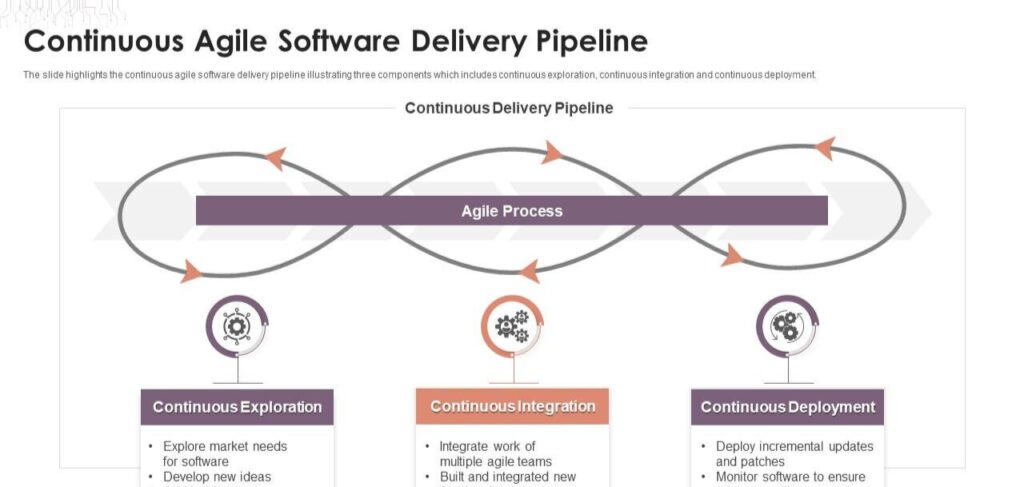
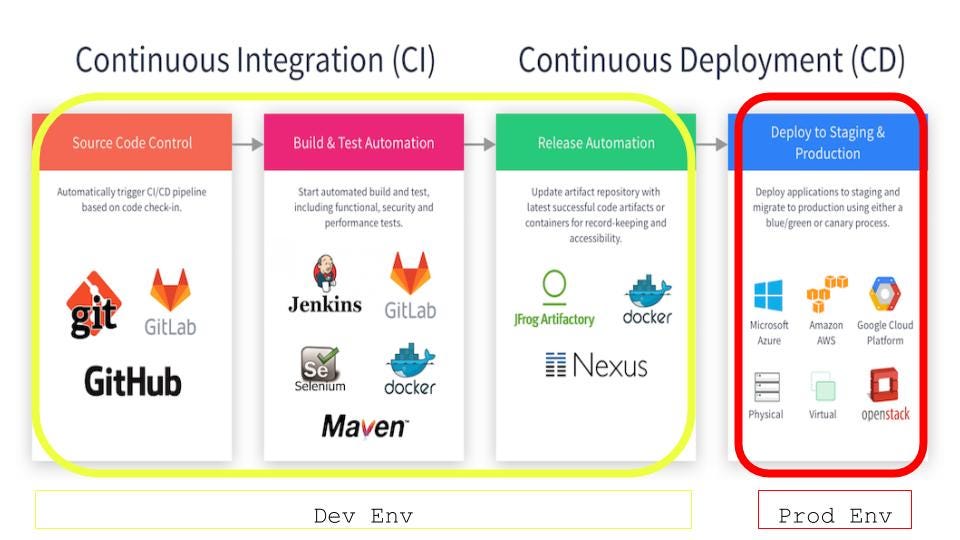
- Use CI/CD effectively
Weak teams:
- Miss timelines
- Depend on heroics
- Freeze during releases

2. System Reliability
Does the system stay up when load increases?
Measured by:
- Uptime
- Error rates
- Graceful degradation
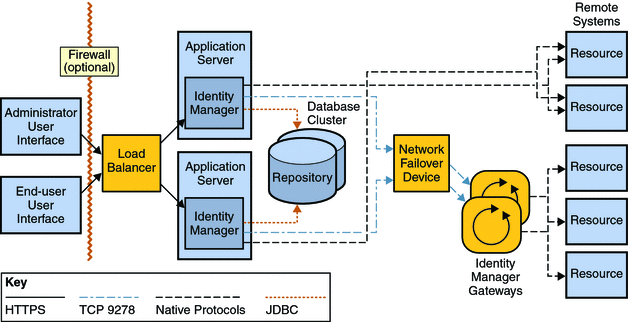
Reliability is not luck — it’s architecture.
3. Incident Response & Recovery
What happens after something breaks?
Elite teams:
- Detect fast
- Communicate clearly
- Recover quickly
Poor teams:
- Panic
- Blame
- Repeat the same outages
MTTR (Mean Time to Recovery) reveals true maturity.


4. Observability & Monitoring
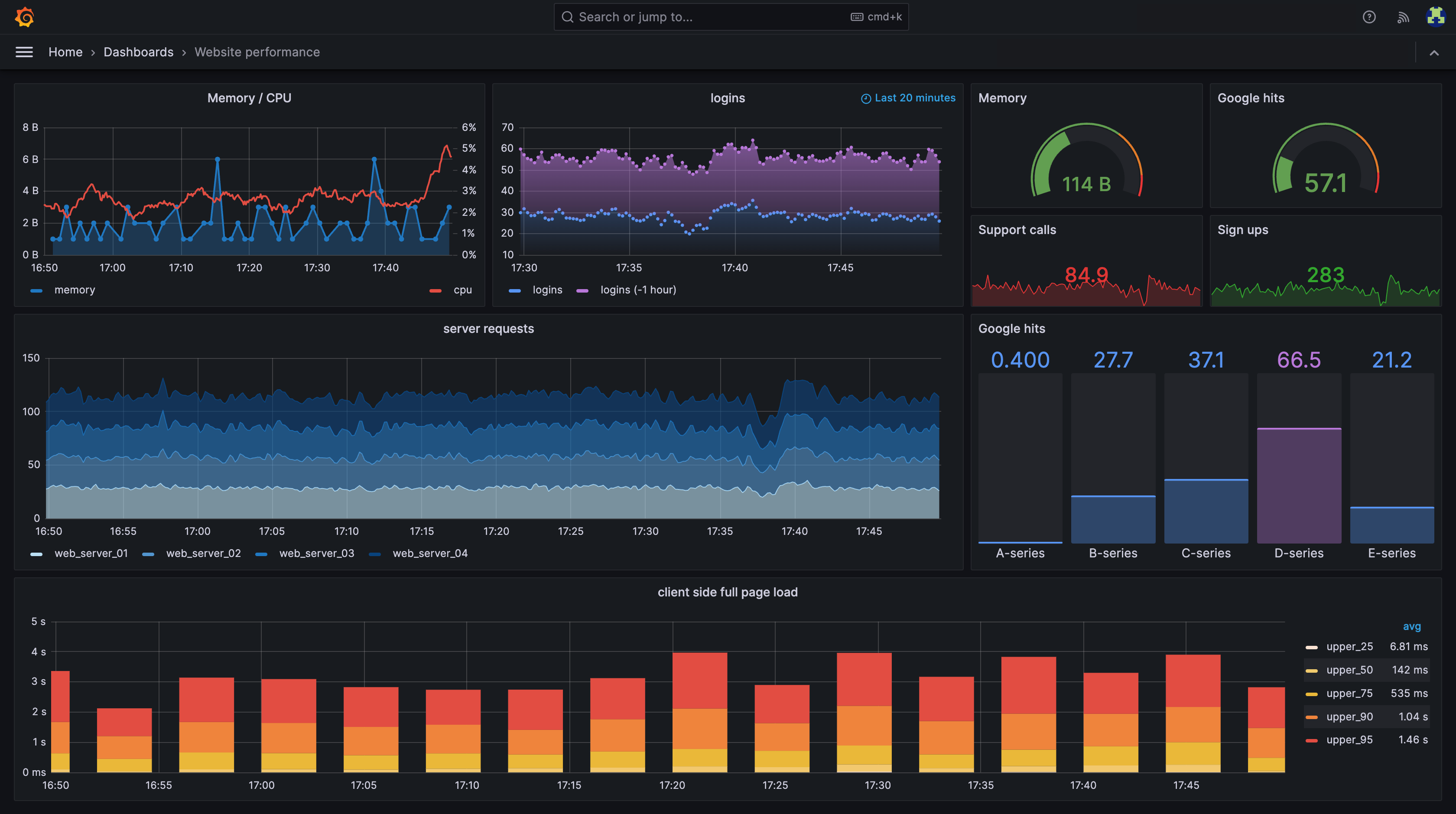
Can teams see problems before users do?
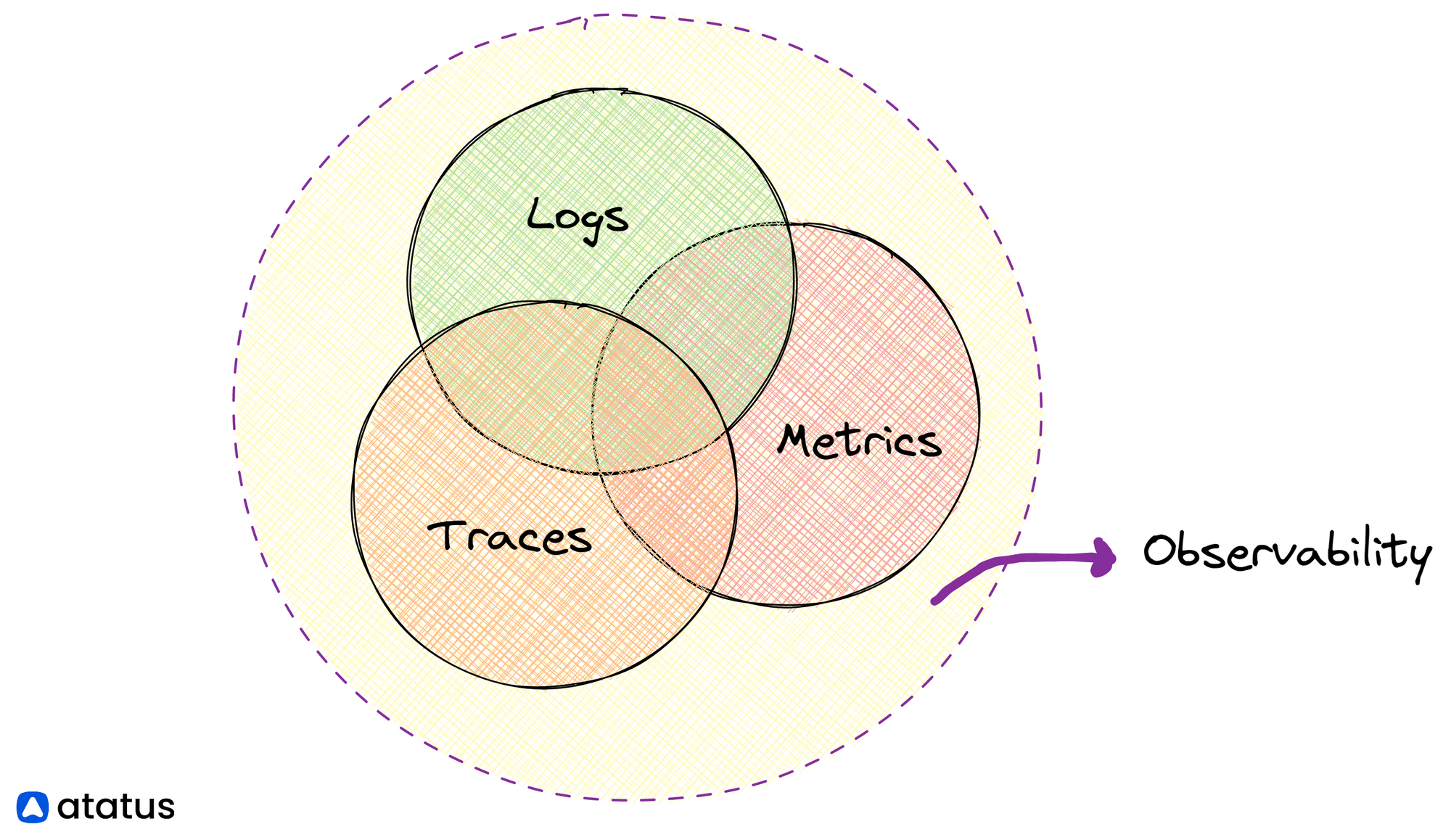
Execution-ready systems have:
- Logs
- Metrics
- Traces
- Alerts tied to business impact
If you can’t see it, you can’t fix it.

5. Security Embedded in Delivery
Is security built-in or bolted on?
High-execution teams:
- Scan early
- Automate policies
- Treat security as engineering
Low-execution teams:
- Add security just before release
- React only after incidents


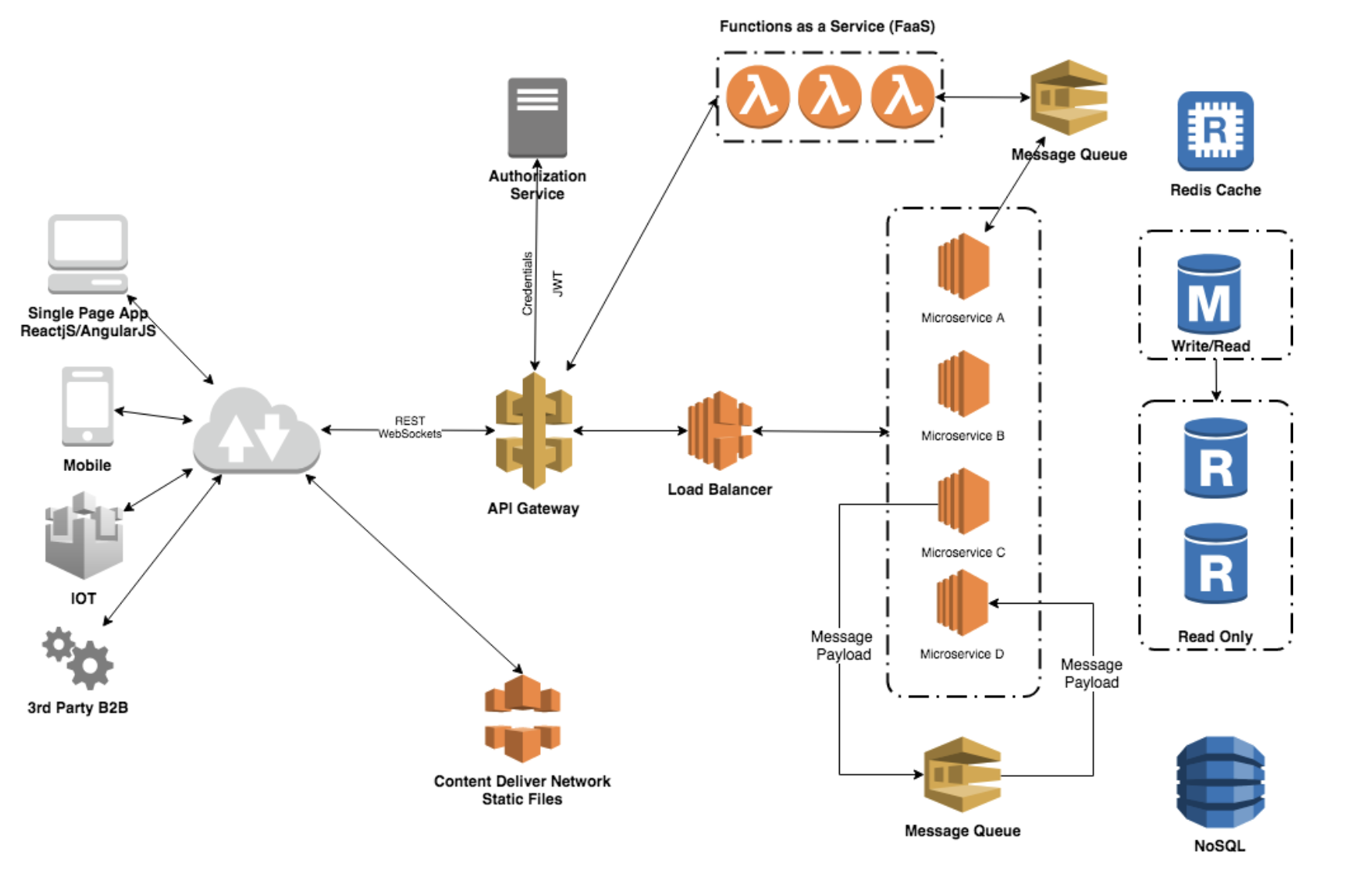
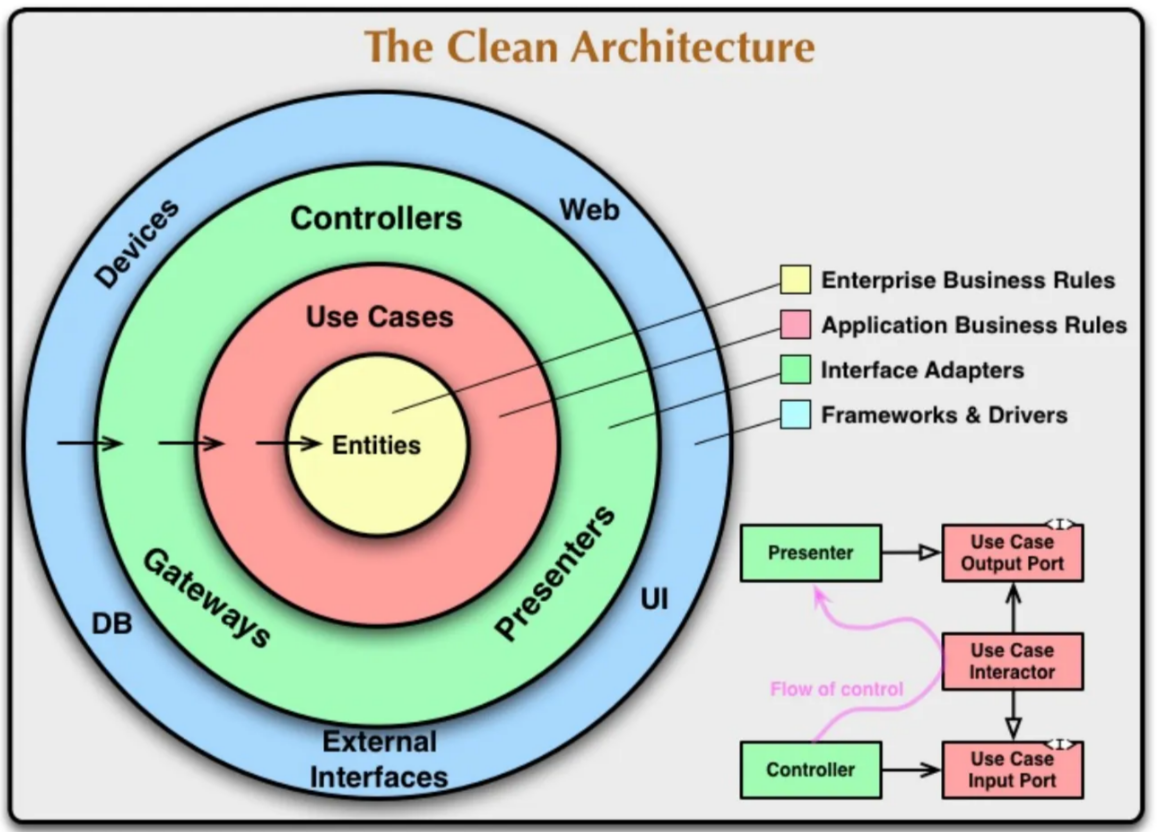
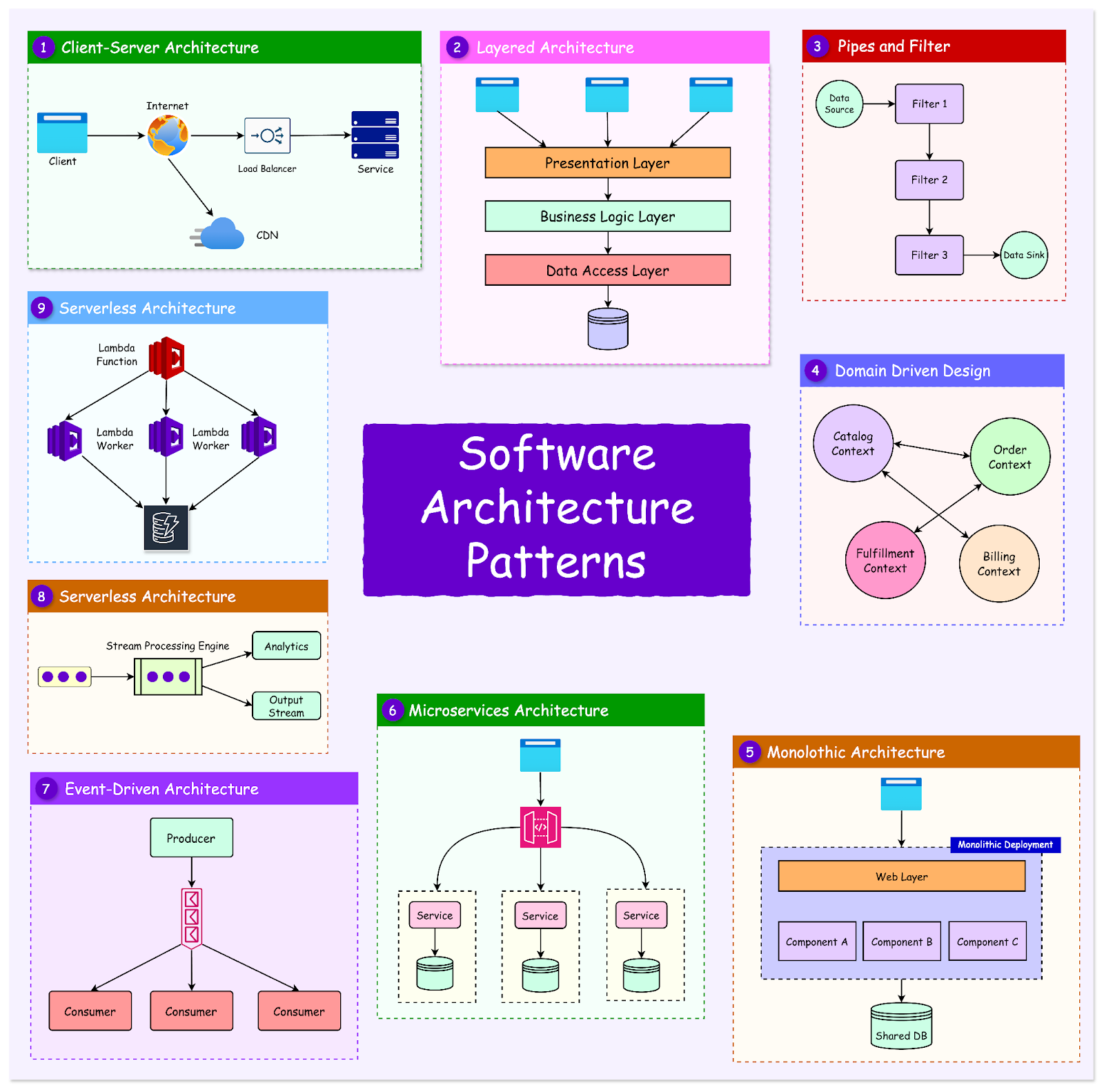
6. Architecture Clarity
Can engineers explain the system simply?
Warning signs:
- Over-engineered microservices
- No ownership
- No clear boundaries
Good architecture reduces cognitive load — not increases it.

7. Engineering Culture
How teams behave under pressure
Execution culture values:
- Ownership
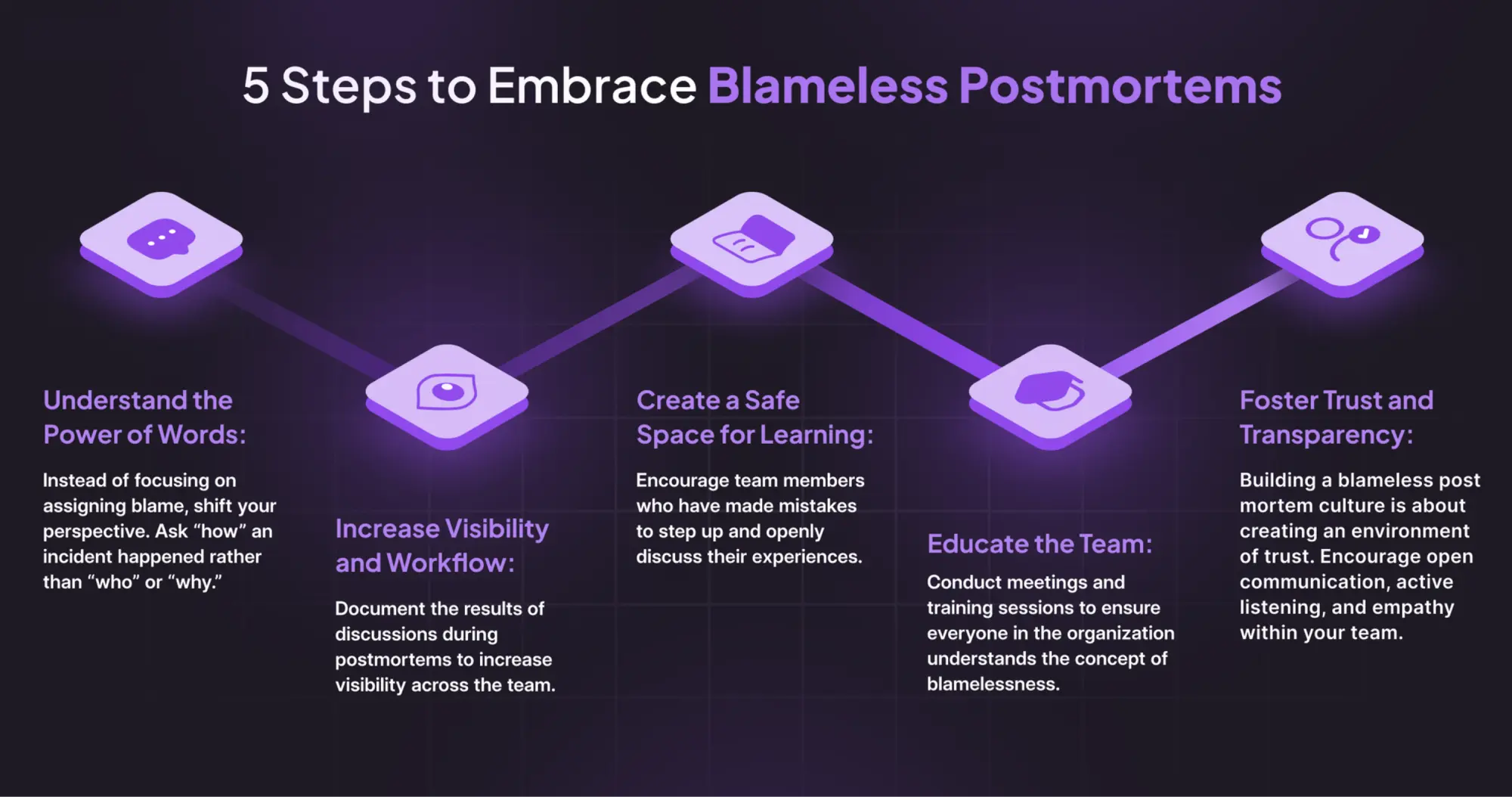
- Blameless postmortems
- Continuous improvement
Culture decides whether tools succeed or fail.

8. Operational Readiness
Is the system production-ready — or demo-ready?
Look for:
- Rollback strategies
- Capacity planning
- Runbooks
- Disaster recovery drills
Demos impress. Operations endure.


🎯 Why the Execution Scorecard Matters
Because:
- Vision doesn’t prevent outages
- Roadmaps don’t fix incidents
- Buzzwords don’t scale
Execution is the silent force behind:
- Trust
- Reliability
- Long-term success
🧭 The Quantdig Perspective
At Quantdig, we don’t ask:
“What does this company promise?”
We ask:
“Can this company actually deliver?”
The Technology Execution Scorecard is not about perfection —
it’s about consistency under pressure