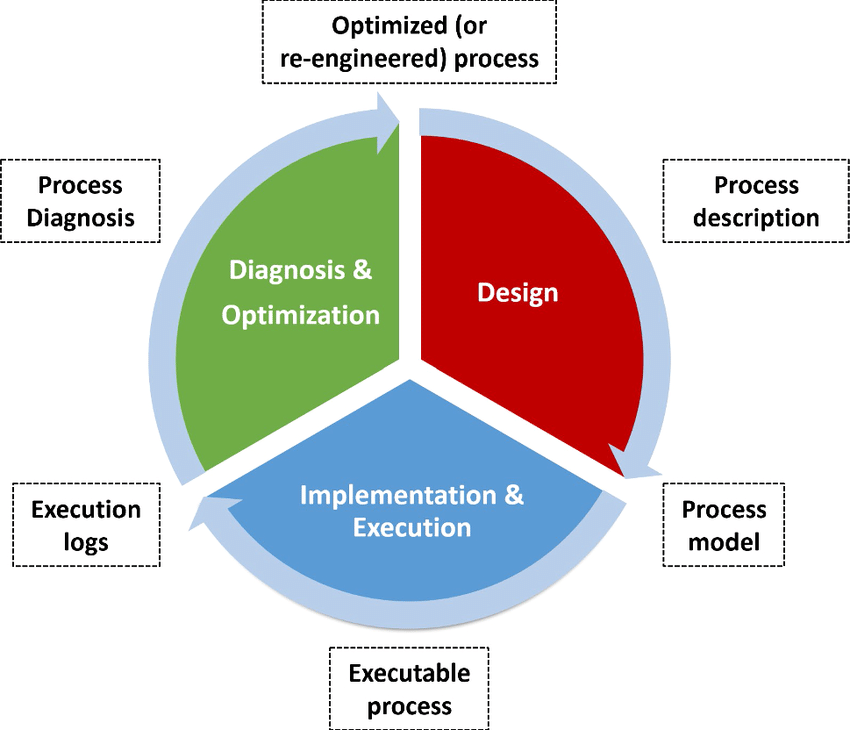
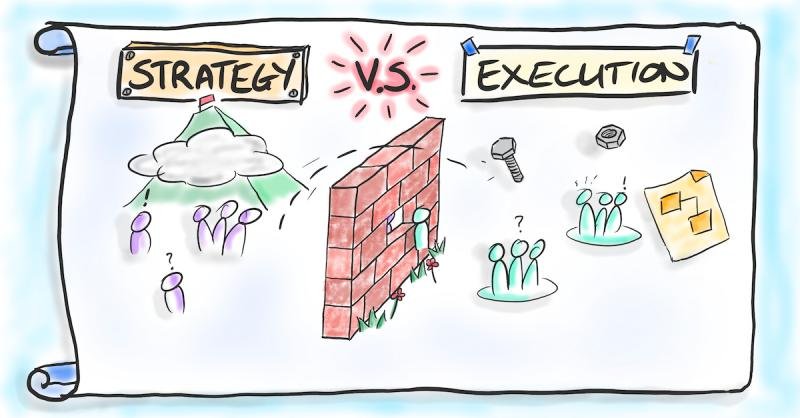
Even when
Shipping on time.
Stable systems.
Clean deployments.
Reliable uptime.
On paper, everything looks right.
Yet many companies that execute well still stall, decline, or quietly fade out.
Not because they failed to deliver—but because execution was only the first hill, not the summit.
This article explores what tends to fail after execution succeeds—the blind spots most teams discover too late.
1️⃣ Directional Drift: When Output Replaces Purpose


Strong execution can create a dangerous illusion: progress without direction.
Teams ship features, improve performance, close tickets—but slowly drift away from the original problem they were meant to solve. Velocity replaces intent. Activity replaces clarity.
Execution answers how fast you move.
Direction answers where you are going.
When direction isn’t continuously revalidated, execution simply accelerates misalignment.
Symptom: High delivery rate, low impact
Root cause: Strategy frozen while execution evolves
2️⃣ Decision Bottlenecks: Speed Meets Human Latency


Execution maturity often outpaces decision maturity.
Systems become fast. Pipelines become automated. Releases become routine.
But decisions—prioritization, trade-offs, go/no-go calls—remain trapped in meetings, hierarchies, or unclear ownership.
The result is decision latency: a hidden slowdown that no CI/CD dashboard can detect.
Symptom: Teams wait more than they build
Root cause: Authority and accountability not scaling with execution
3️⃣ Market Disconnect: When Delivery Loses the Customer

Execution-focused teams often optimize delivery mechanics faster than customer feedback loops.
Over time, products become internally elegant but externally irrelevant. Roadmaps fill up. Releases go out. Adoption stays flat.
Execution didn’t fail—the signal pipeline did.
Symptom: Stable releases, stagnant usage
Root cause: Customer insight treated as optional, not structural
4️⃣ Execution Debt: The Cost of Moving Fast for Too Long

Fast execution creates residue—unspoken compromises, deferred cleanups, tribal knowledge, silent assumptions.
This isn’t traditional technical debt.
It’s execution debt: the operational weight accumulated by sustained speed.
It shows up late, and it hits hard—during scale, audits, incidents, or leadership transitions.
Symptom: Everything works until it suddenly doesn’t
Root cause: Speed prioritized without institutional memory

5️⃣ Organizational Friction: When Structure Lags Capability


Execution excellence often exposes weak org design.
As teams grow, informal coordination breaks. Roles blur. Processes multiply. What once felt agile becomes heavy—not because of bureaucracy, but because structure didn’t evolve.
Execution scales faster than organizations are redesigned to support it.
Symptom: More coordination work than creation
Root cause: Org design frozen at early-stage assumptions
6️⃣ Narrative Collapse: When Teams Don’t Know Why Anymore
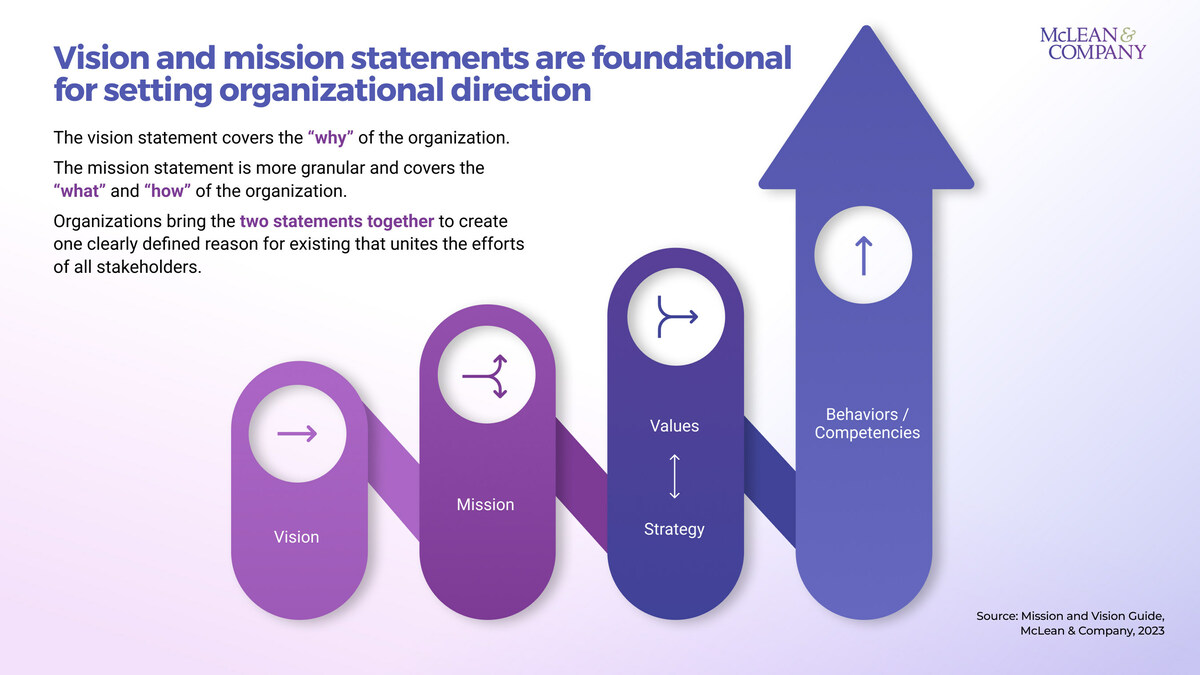
Execution without narrative eventually erodes morale.
People ship, but don’t believe. They deliver, but don’t connect. The why becomes distant, abstract, or contradictory.
Execution thrives on clarity—but meaning fuels endurance.
Symptom: Burnout despite success
Root cause: Vision communicated once, not continuously renewed
Quantdig visual framework