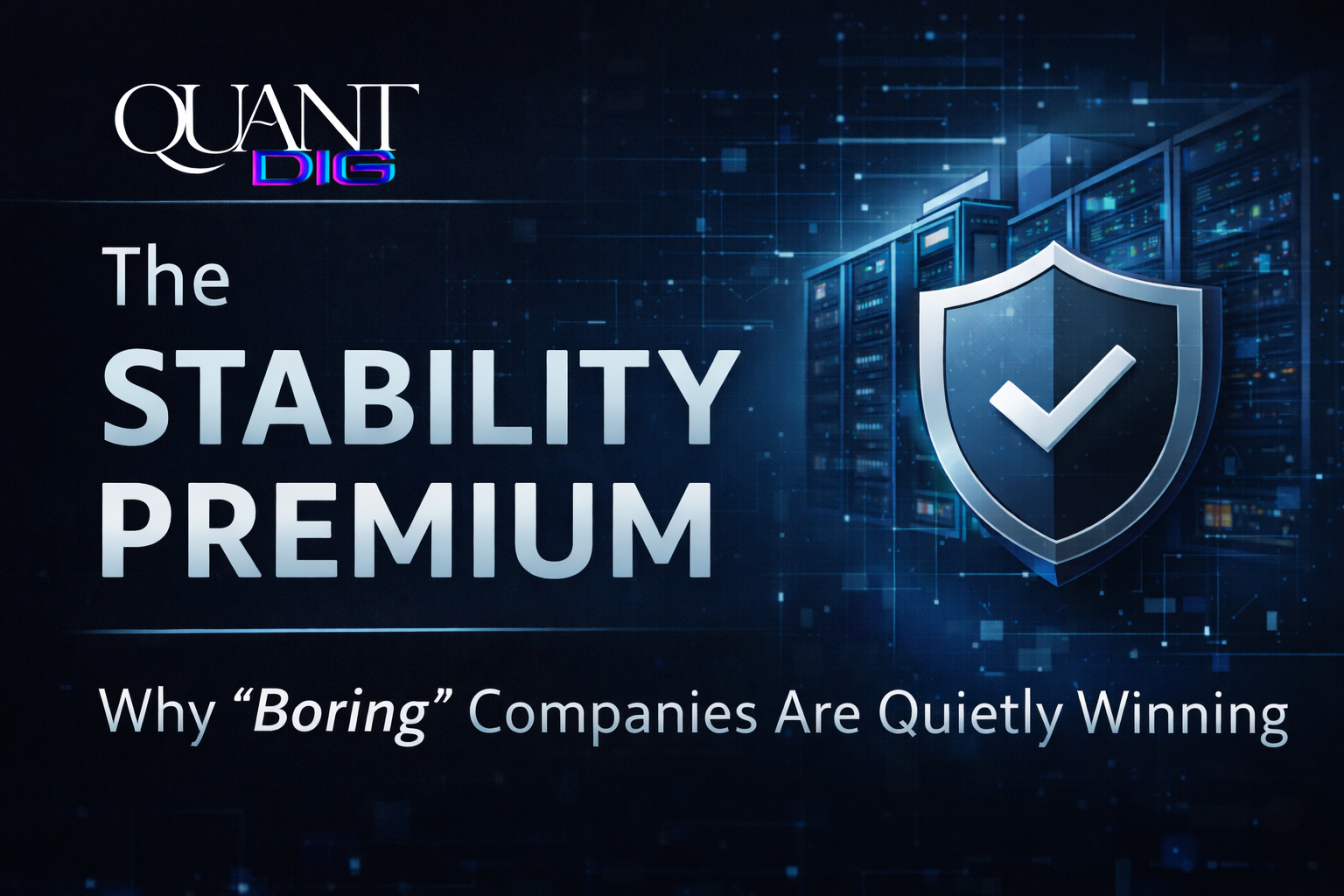
Why Boring Companies Are Quietly Winning
“The big money is not in the buying and selling… but in the waiting.”
— Warren Buffett

Introduction: The Age of Hype
We live in an era of announcements.
AI-first.
Cloud-native.
Reinventing everything.
Disrupting industries.

But behind the press releases and conference keynotes, a quieter story is unfolding.
The companies delivering consistent results are not always the loudest.
They are often the most stable.
At QuantDig, we call this emerging advantage The Stability Premium.
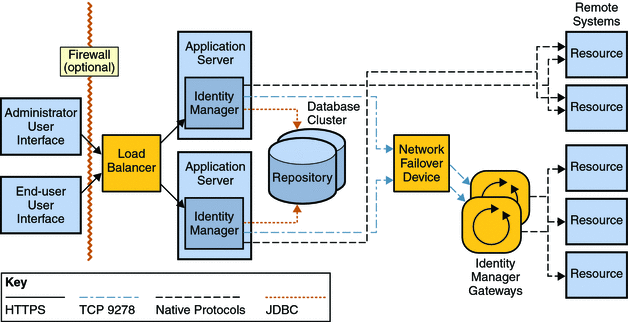
What Is the Stability Premium?
The Stability Premium is the competitive advantage gained from:
- Predictable system performance
- Low incident frequency
- Disciplined engineering culture
- Controlled, steady feature releases
- Minimal operational drama
It is not flashy.
It does not trend on social media.
But it compounds over time.
Why Stability Is Becoming Valuable Again
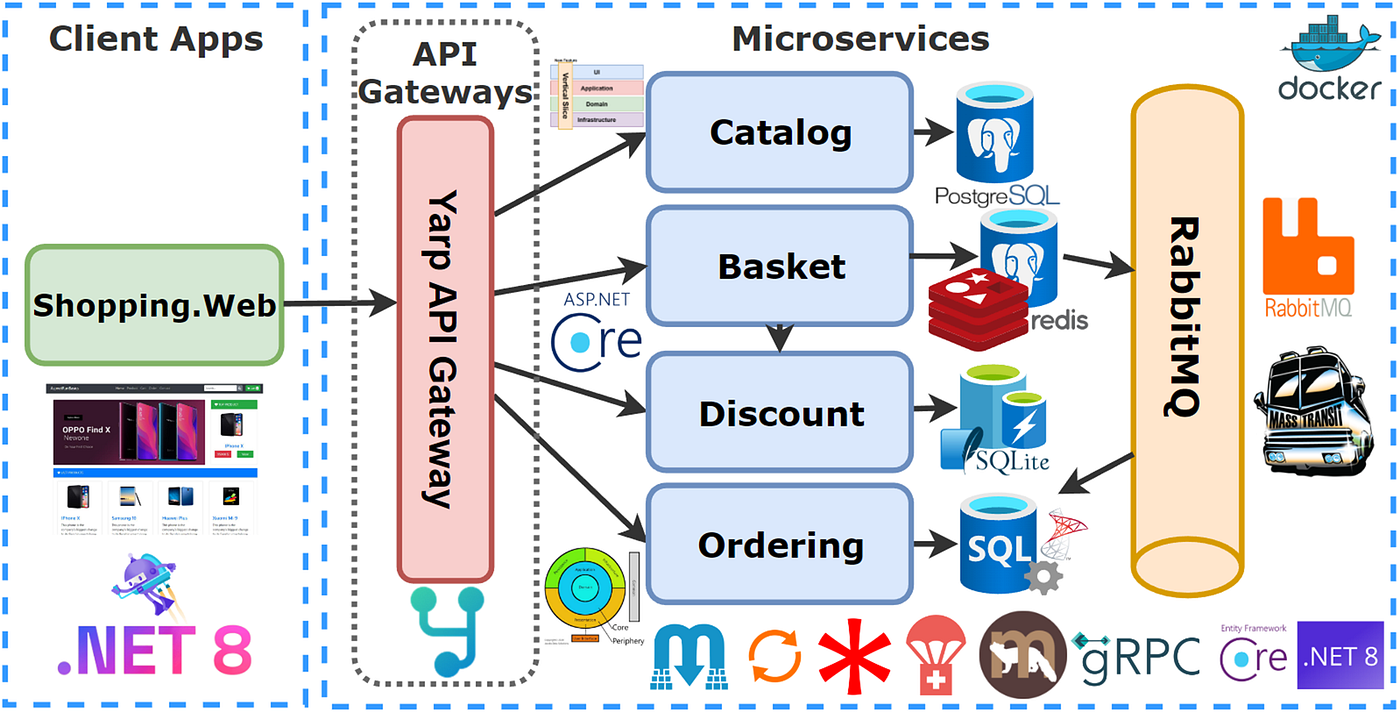
In highly digital industries — banking, fintech, SaaS, healthcare — downtime is expensive.
- Revenue loss
- Regulatory exposure
- Brand erosion
- Customer churn

The more software-dependent the world becomes, the more valuable reliability becomes.
Stability is no longer boring.
It is strategic.
The Hidden Cost of Constant Reinvention
Many organizations chase perpetual transformation.
New frameworks.
New platforms.
New cloud strategies.
New AI integrations.

But each reinvention introduces:
- Migration risk
- Integration fragility
- Skill gaps
- New operational uncertainty

The hidden cost of disruption is often instability.
Stability Is Not Slow. It Is Disciplined.

Stable companies do not avoid innovation.
They sequence it.

They release in controlled increments.
They test deeply.
They automate extensively.
They measure before expanding.
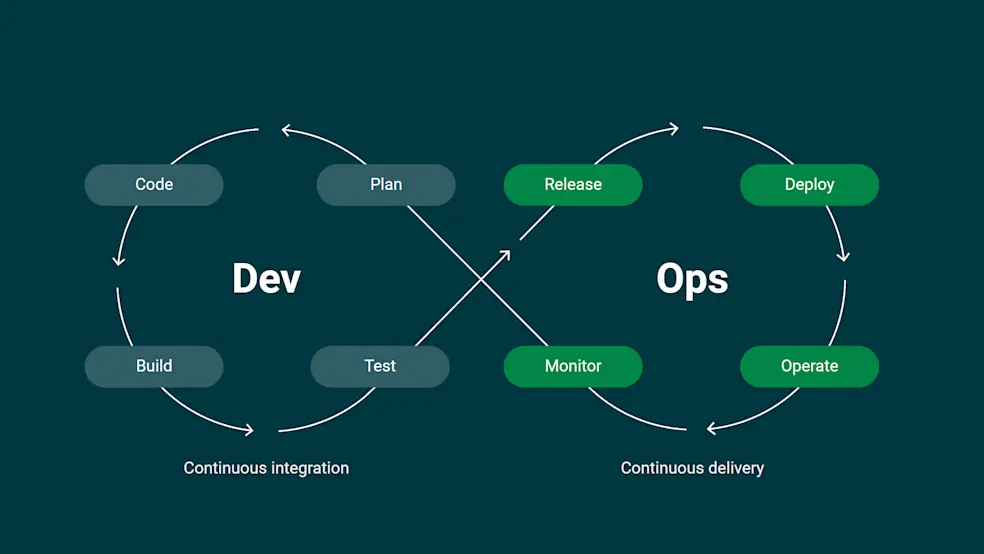
They optimize for:
Sustainable velocity, not dramatic spikes.
The Stability Signals You Can Measure
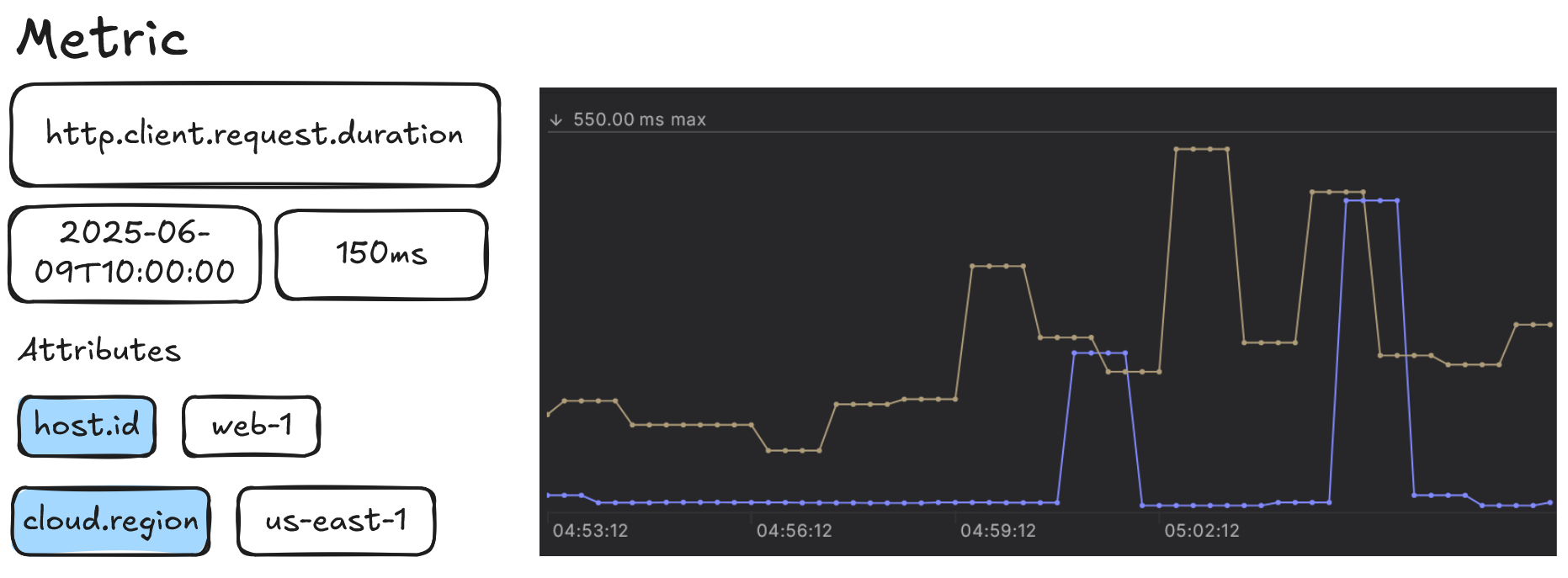
Stability is not emotional. It is measurable.
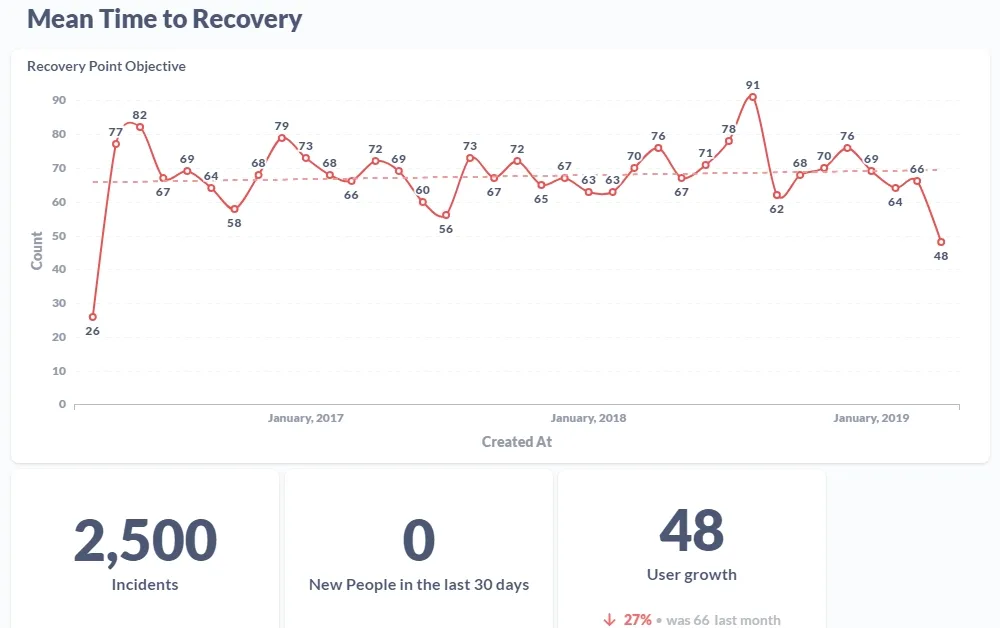
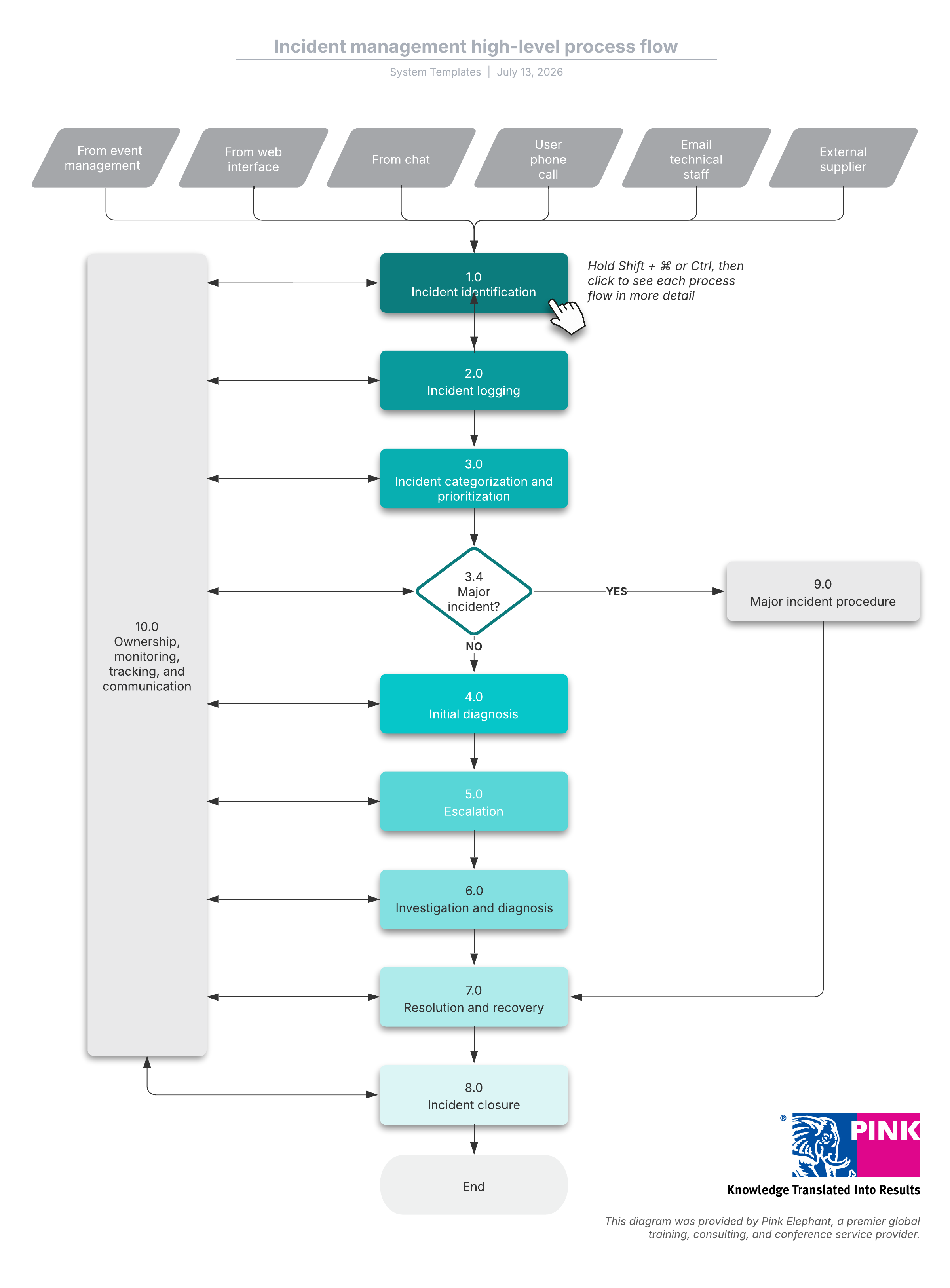
QuantDig evaluates stability through:
- Incident frequency trends
- MTTR (Mean Time To Recovery)
- Release rollback rates
- Deployment predictability
- Change failure percentage
- Security breach history
The numbers tell the truth.
Why Investors and Enterprises Value Stability

For investors, stability means:
- Lower operational volatility
- Fewer emergency capital drains
- Predictable scaling

For enterprise buyers, stability means:
- Fewer integration surprises
- Reduced compliance risk
- Long-term vendor trust

Stability reduces hidden costs.
The Myth of “Move Fast and Break Things”

The “move fast” philosophy works in early experimentation.
It fails in regulated, high-dependency environments.

At scale:
Speed without control increases fragility.
Fragility increases risk.
Risk increases cost.
The most mature organizations move fast — but break very little.
Stability as a Competitive Moat
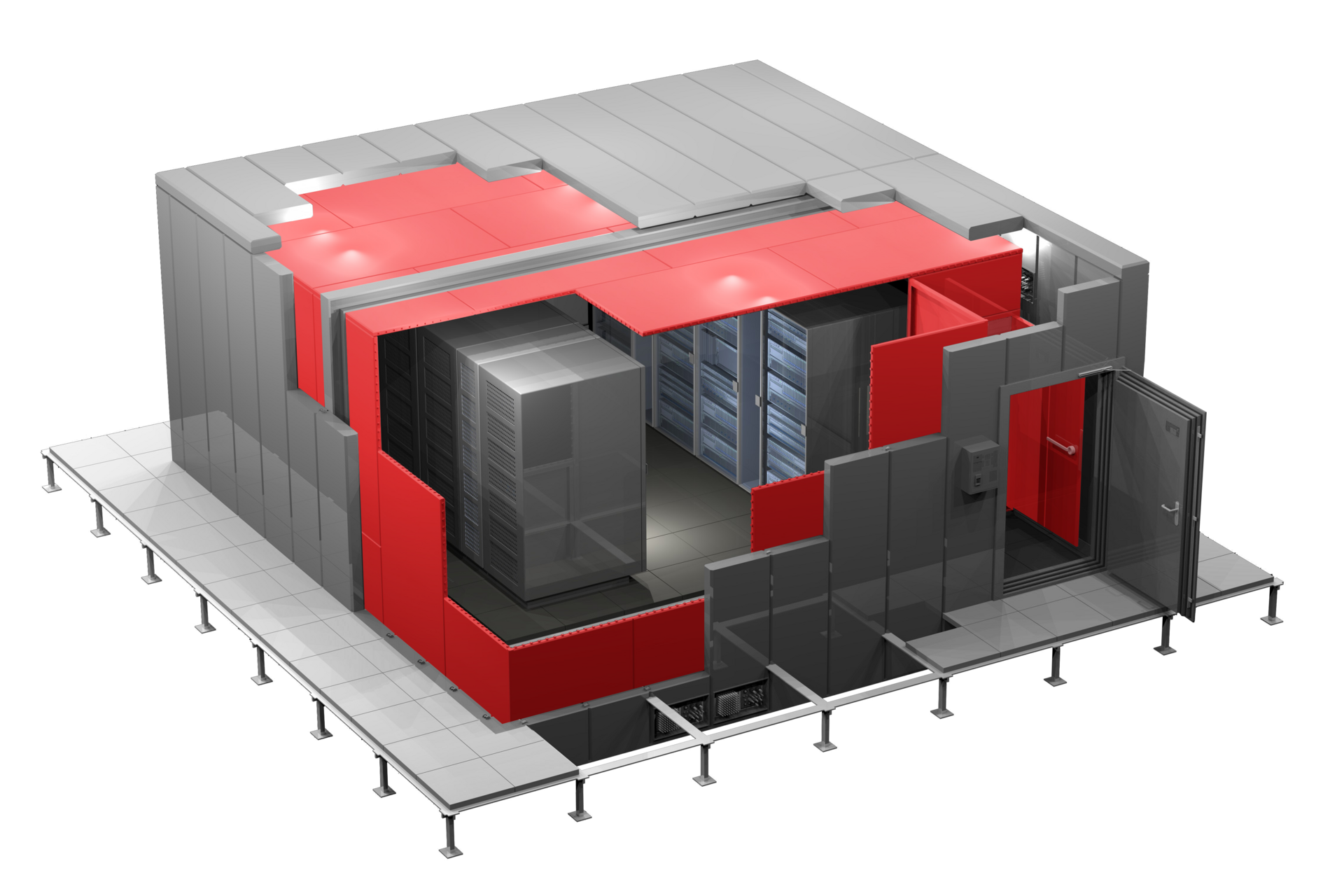
Over time, stability becomes a moat.
Customers trust stable platforms.
Developers prefer predictable systems.
Regulators favor disciplined operators.
While others chase reinvention, stable companies compound reliability.
And compounding reliability builds trust.
Trust builds longevity.
The QuantDig Perspective
Innovation is necessary.
But without stability, innovation collapses under its own weight.
The next generation of technology leaders will not just be:
- The fastest
- The loudest
- The most AI-heavy
They will be the most stable.
Because in a software-defined world,
predictability is power.