Why Most Companies Think They’re Ready for AI — But Aren’t
“AI will not replace managers, but managers who use AI will replace those who don’t.”
— Ginni Rometty (Former IBM CEO)
Artificial Intelligence is no longer experimental.
Boards are asking about it.
CXOs are budgeting for it.
Consultants are selling it.
Yet beneath the headlines, a quiet truth exists:
Most companies are not ready for AI.
They are AI-curious.
They are AI-excited.
But they are not AI-ready.
At Quantdig, we believe readiness is measurable.
And what is measurable can be strategically improved.
This is where the AI Readiness Scorecard comes in.

1️⃣ Data Maturity: The Invisible Foundation
Every AI ambition rests on data.
Not marketing dashboards.
Not Excel exports.
Not scattered databases across business units.

Real AI requires:
- Structured, accessible datasets
- Clean and versioned pipelines
- Clear ownership and governance
- API-accessible systems
Most organizations suffer from data fragmentation. Teams build models on incomplete, inconsistent inputs — and then wonder why results fail in production.
AI doesn’t fix bad data.
It amplifies it.
If your data isn’t centralized, governed, and production-ready, your AI strategy is decorative — not operational.
2️⃣ Infrastructure Readiness: The Execution Engine
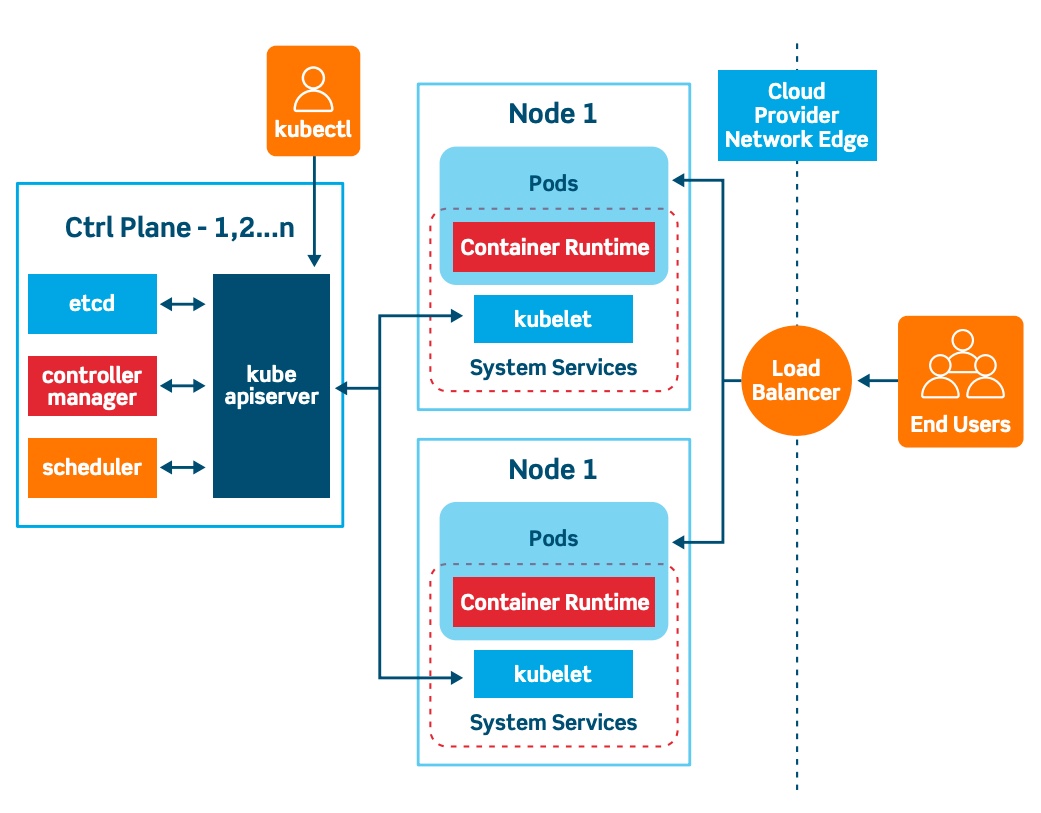
You cannot deploy AI on yesterday’s infrastructure.
Running serious AI workloads requires:
- Containerized environments
- CI/CD pipelines for model deployment
- Scalable compute (CPU/GPU)
- Observability and monitoring
- Security layers built into the pipeline
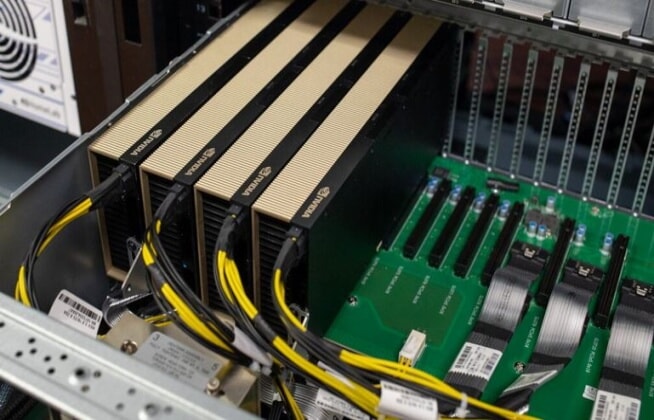
Many enterprises attempt AI pilots on legacy monolithic stacks.
It works in demo environments — and collapses in production.
Infrastructure is not glamorous.
But it determines whether AI becomes a slide deck or a system.

Organizations that invest in MLOps, container orchestration, and monitoring win — not because their models are smarter, but because their execution is stronger.
3️⃣ Organizational Culture: The Hidden Multiplier

AI transformation is not a technology project.
It is a behavioral shift.
We’ve seen companies with excellent infrastructure fail because leadership treated AI as an experiment rather than a strategic priority.
Key questions every CEO must ask:

- Do teams understand AI beyond buzzwords?
- Is experimentation encouraged — or punished?
- Is there a centralized AI roadmap?
- Are business teams collaborating with engineering?
AI thrives in environments where cross-functional collaboration is normal.
It dies in siloed hierarchies.
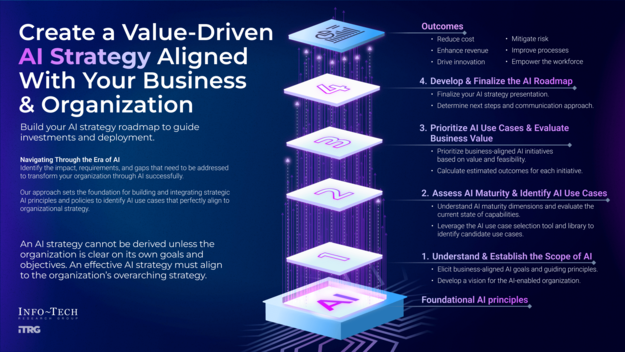
Culture determines whether AI becomes embedded into decision-making — or remains confined to innovation labs.
4️⃣ Governance & Risk: The Trust Layer
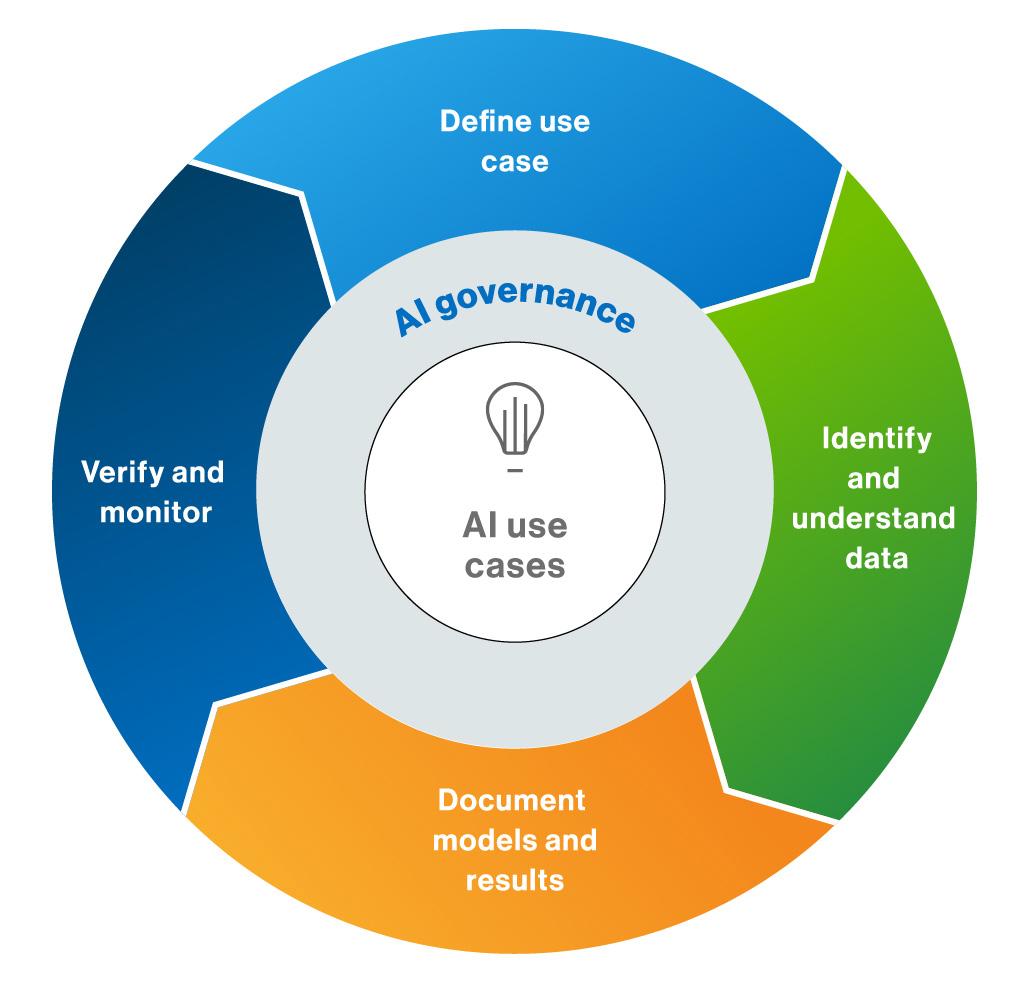
As AI scales, risk scales with it.
Especially in banking, healthcare, finance, and regulated industries.
Without governance, AI becomes:
- A compliance liability
- A bias risk
- A privacy exposure
- A reputational threat

True AI readiness includes:
- Defined AI usage policies
- Audit trails for model outputs
- Data privacy enforcement
- Bias monitoring frameworks
- Human-in-the-loop controls
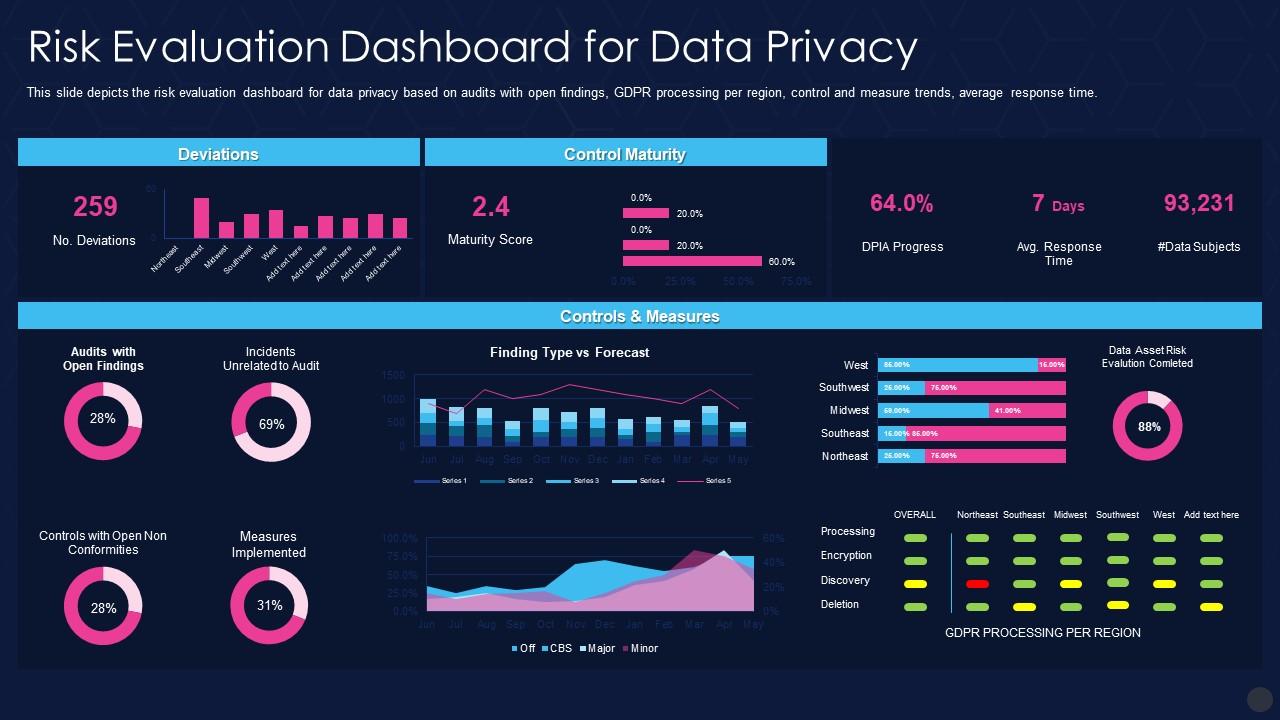
Trust is not optional.
The companies that scale AI responsibly will outlast those that deploy recklessly.
The AI Readiness Scorecard Model
We evaluate readiness across four dimensions:
- Data Maturity
- Infrastructure Readiness
- Organizational Culture
- Governance & Risk
Each dimension scored from 0–5.
Total Score: 0–20
| Score | Classification |
|---|---|
| 0–5 | AI Illusion Zone |
| 6–10 | AI Curious |
| 11–15 | AI Emerging |
| 16–18 | AI Competitive |
| 19–20 | AI Native Enterprise |
This is not a vanity metric.
It is a strategic diagnostic tool.
The Strategic Reality
The AI race will not be won by companies with the biggest models.
It will be won by companies with:
- The cleanest data
- The strongest execution pipelines
- The most adaptive cultures
- The most disciplined governance
AI is not a feature you install.
It is a capability you build.
And readiness is the difference between automation theater and strategic advantage.
The Quantdig Perspective
At Quantdig, we believe AI is entering its second phase.
The first phase was experimentation.
The second phase is operationalization.
The organizations that win in this phase will not be those who announce AI strategies.
They will be those who can measure, deploy, govern, and scale them.
The future does not belong to AI adopters.
It belongs to AI-ready enterprises.
—
Yasmin Begum
Co-Founder, Quantdig