Why Some Companies Climb the Ladder — and Others Slide Down the Snake
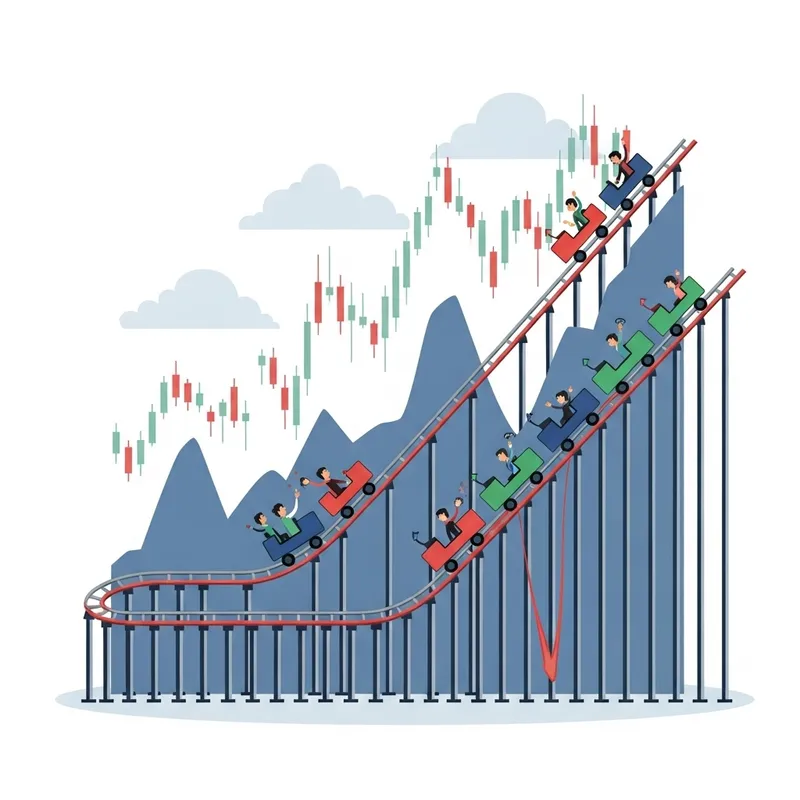
Markets are not linear.
Companies don’t grow in straight lines.
Some rise suddenly.
Some collapse unexpectedly.
It looks random.
It isn’t.
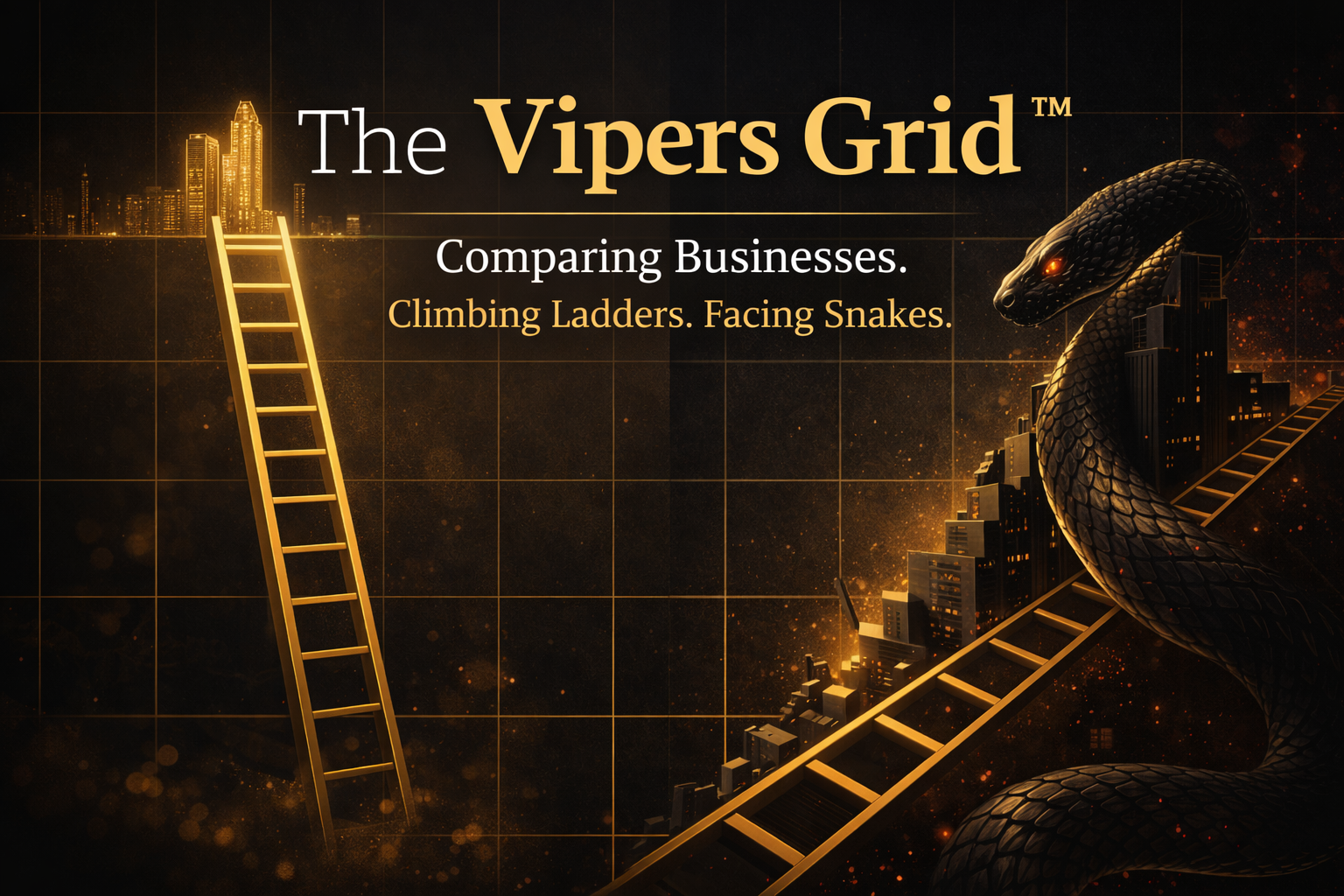
The Vipers Grid is a framework to explain why certain organizations climb ladders — while others get dragged down by snakes.
🧠 The Core Idea

In childhood, snakes and ladders felt like luck.
In business, the snakes and ladders are structural.
Ladders represent:
- Operational leverage
- Network effects
- Reliability advantage
- Strong positioning
Snakes represent:
- Hidden fragility
- Over-leverage
- Governance gaps
- Tech debt
- Market misreading
The grid determines which companies encounter which forces.
The Four Quadrants of The Vipers Grid™
You mentioned four quadrants — let’s formalize them.
We define two axes:
X-Axis: Replaceability (Low → High)
Y-Axis: System Impact (Low → High)
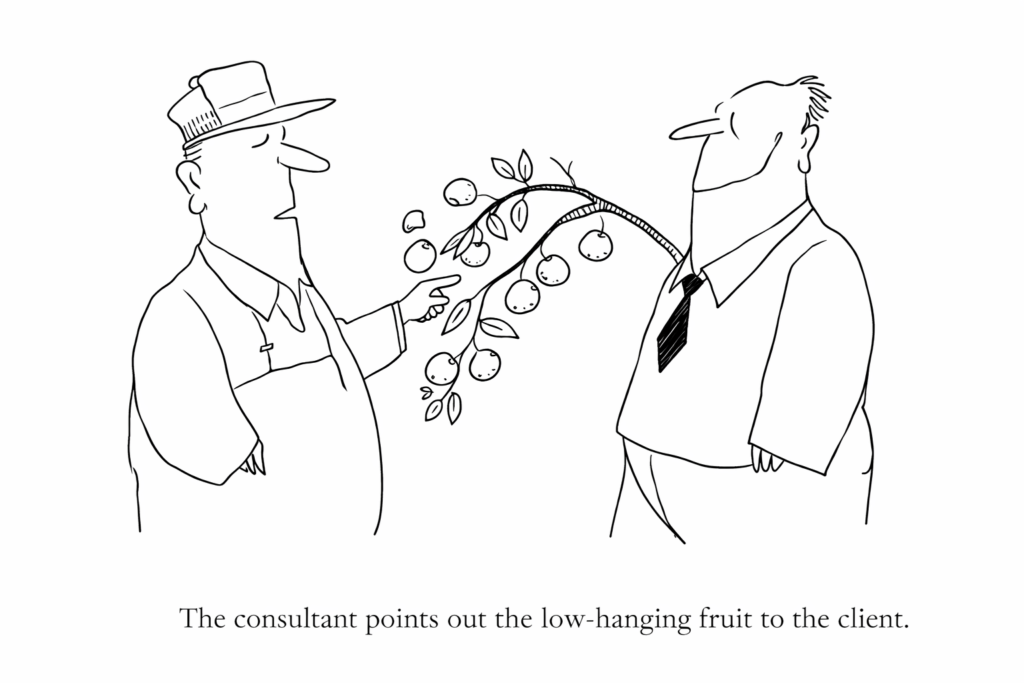
Quadrant 1: High Replaceability + Low Impact
“The Fragile Zone”

These companies:
- Offer undifferentiated products
- Compete on price
- Lack infrastructure depth
- Have low switching costs
They climb slowly.
But one snake — AI shift, regulation, cost spike —
and they slide hard.
Quadrant 2: High Replaceability + High Impact
“The Transition Zone”

These companies operate critical systems…
…but their model can be disrupted.
They survive on execution speed.
If they invest in reliability and differentiation, they find ladders.
If they don’t — the snake waits.
Quadrant 3: Low Replaceability + Low Impact
“The Stable but Limited Zone”
These firms:
- Have niche control
- Strong moats
- Loyal customers
But limited scale potential.
Few snakes.
Few ladders.
Comfortable. Predictable. Constrained.
Quadrant 4: Low Replaceability + High Impact
“The Ladder Zone”
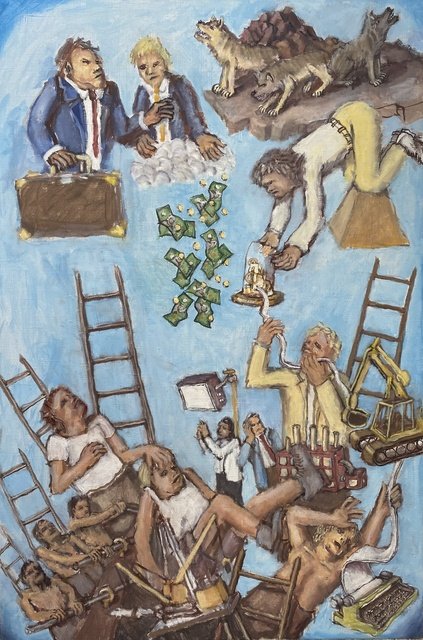
This is where structural advantage lives.
These organizations:
- Own infrastructure
- Control ecosystems
- Manage reliability well
- Build network effects
- Integrate AI as leverage, not hype
Here, ladders appear more often than snakes.
Not because of luck.
Because of positioning.
🐍 Why Snakes Appear
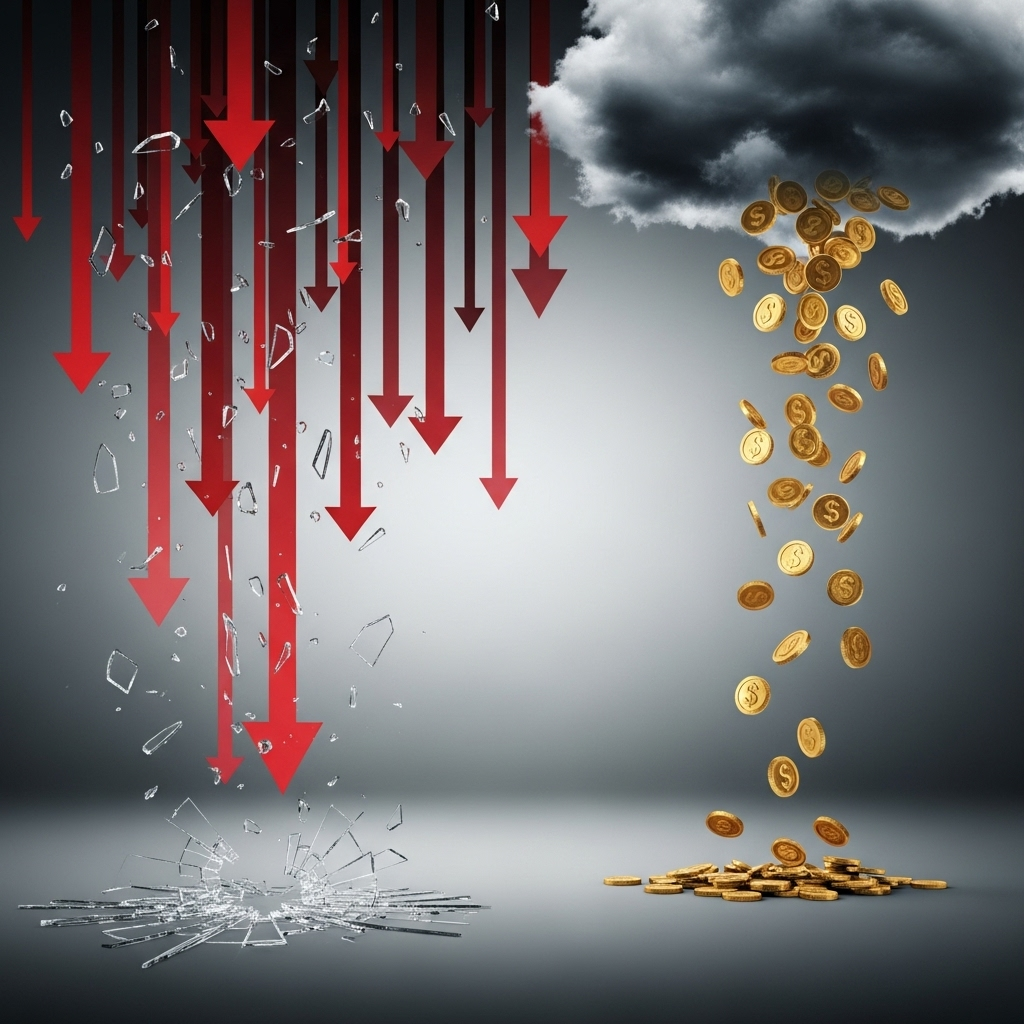
Snakes are not random events.
They emerge from:
- Hidden tech debt
- Over-dependence on hype cycles
- Governance blind spots
- Poor risk modeling
- Fragile revenue concentration
The snake is often invisible — until it strikes.
🪜 How Ladders Are Built

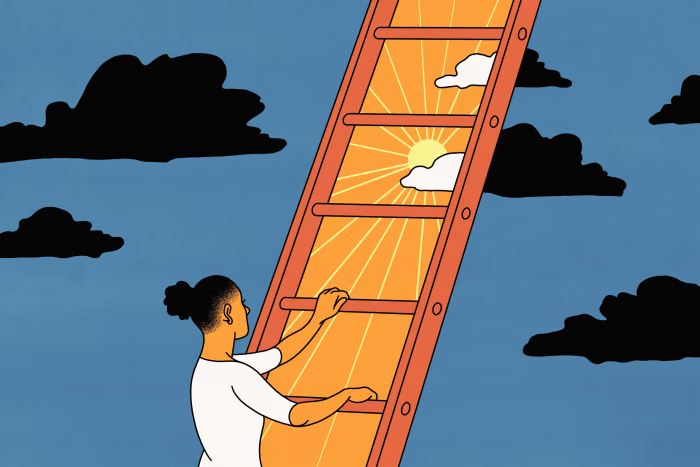
Ladders aren’t found.
They’re engineered.
Through:
- Reliability discipline
- AI governance
- Cost efficiency
- Platform thinking
- System ownership
- Cultural resilience

You don’t climb accidentally.
You architect the climb.
🧠 The Vipers Grid™ in 2026
AI, automation, and capital efficiency have increased snake frequency.
Weak positioning collapses faster.
But strong positioning scales faster too.
Volatility doesn’t punish everyone equally.
It rewards structural strength.
🔥 Final Insight
Markets don’t reward motion.
They reward position.
The Vipers Grid™ isn’t about luck.
It’s about understanding where you stand:
Are you near a ladder?
Or coiled next to a snake?