
Why Stability Is the New Innovation
Overlay Text Idea:
The Reliability Economy
Stability is the new innovation
The Reliability Economy: Why Stability Is the New Innovation
For years, the tech industry worshipped speed.
Ship faster.
Launch earlier.
Disrupt harder.
But in 2026, something shifted.
The companies outperforming the market aren’t the flashiest.
They’re the most stable.
Innovation still matters — but reliability now decides who survives.
1. The Market Has Changed Its Reward System
Investors used to reward aggressive growth.
Now they reward predictable performance.
Recurring revenue.
Operational discipline.
Controlled risk exposure.
In an era of AI uncertainty and cost pressure, stability is a premium asset.
The reward system no longer celebrates momentum alone.
It rewards resilience.
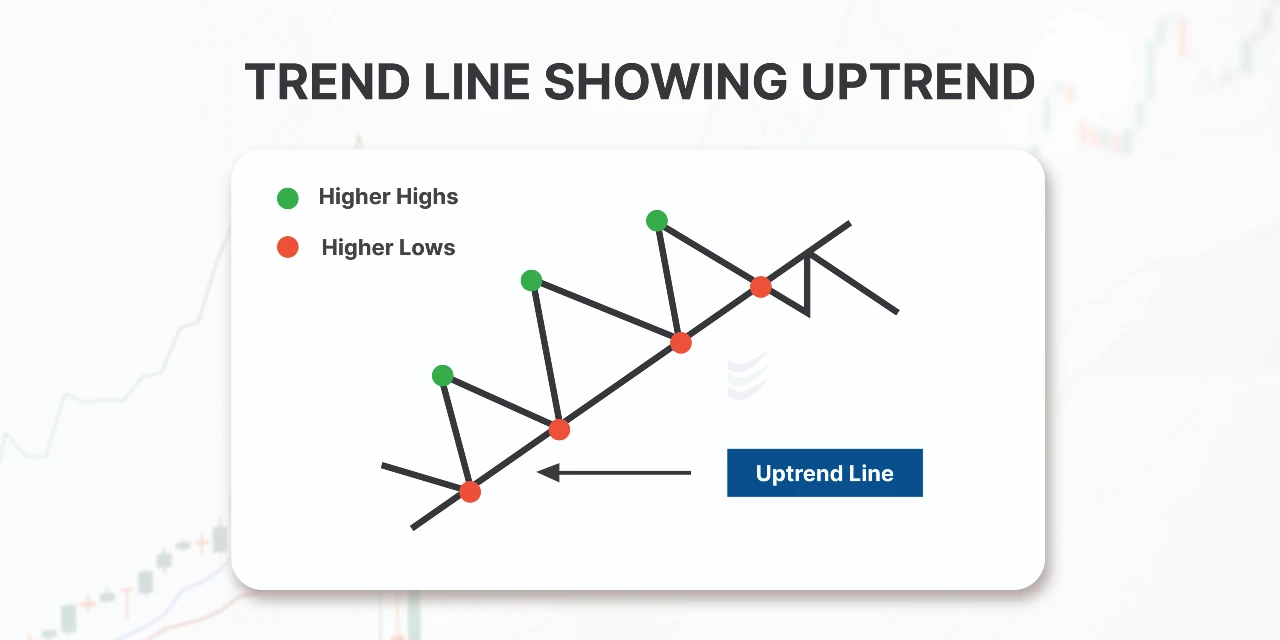
2. Outages Cost More Than Missed Features
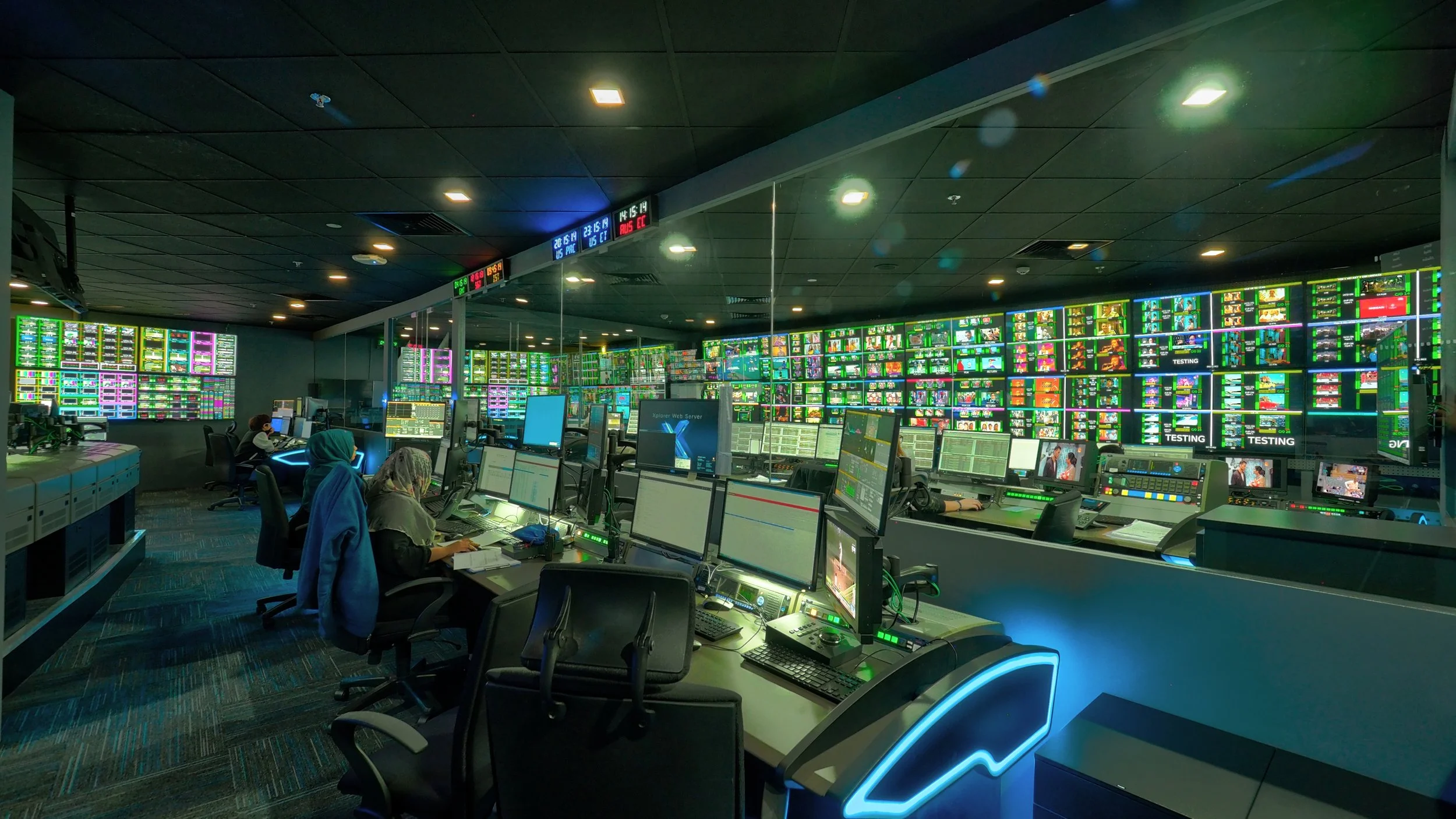
A delayed feature rarely destroys trust.
A public outage does.
A hallucinated AI response can go viral.
A data breach can trigger regulatory action.
A scaling failure can evaporate confidence overnight.
In mature markets, reliability risk outweighs feature velocity.
3. Innovation Without Stability Is Fragile

Many companies confuse novelty with durability.
A new AI capability looks impressive in demo.
A new architecture diagram excites engineers.
But without:
- Observability
- Governance
- Failover
- Cost controls
innovation becomes decorative, not dependable.
Fragile systems collapse under success.

4. AI Accelerated the Reliability Divide

AI systems magnify reliability challenges.
They introduce:
- Model drift
- Hallucination risk
- Latency variance
- Compliance ambiguity
Organizations that treat AI as infrastructure thrive.

Organizations that treat AI as spectacle struggle.
AI didn’t remove reliability from the equation.
It made it central.
5. Reliability Is a Cultural Advantage
Reliability isn’t just technical.
It’s organizational.
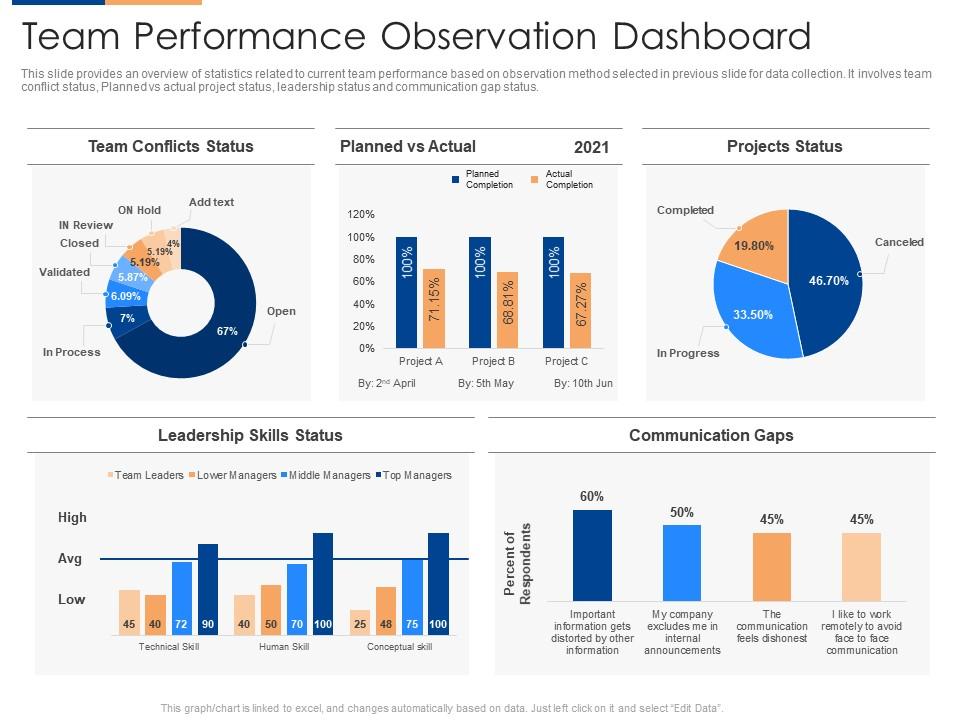
It shows up in:
- Incident postmortems
- Cross-team accountability
- Change management discipline
- Documentation standards
Flashy cultures optimize for visibility.
Mature cultures optimize for continuity.

🧠 Quantdig Framework: The Reliability Stack
Layer 1 — Capability
Can the system perform?
Layer 2 — Observability
Can failures be detected quickly?
Layer 3 — Resilience
Can it survive stress?
Layer 4 — Governance
Is risk controlled?
Layer 5 — Scalability
Can it grow sustainably?
Layer 6 — Cultural Discipline
Does the organization reinforce stability?
Innovation lives at Layer 1.
Competitive advantage emerges from Layers 2–6.

Final Insight
The next decade won’t belong to the loudest companies.
It will belong to the most dependable ones.
In unstable times, reliability becomes a luxury.
And luxury commands a premium.
The future of tech isn’t faster.
It’s steadier.