
Why We Reward What Looks Smart Over What Scales
We live in an era where presentation often outperforms performance.
A sleek dashboard.
A polished pitch deck.
A live AI demo that feels magical.
Applause follows.
But scaling rarely does.
Somewhere between the stage and the server room, reality interrupts the illusion.
1. The Incentive Structure Is Broken


Investors fund potential.
Executives reward vision.
Media amplifies spectacle.
Very few stakeholders reward:
- Stability under load
- Incident-free quarters
- Clean integration layers
- Governance maturity
The demo is visible.
Infrastructure discipline is invisible.
And humans reward what they can see.
2. Demos Optimize for Impression, Not Resilience

A demo is engineered for smoothness.
Curated inputs.
Prepared prompts.
Happy-path scenarios.
Production is engineered for unpredictability.
Real users don’t behave like rehearsed test cases.
Real traffic doesn’t follow ideal distributions.
A system built for applause rarely survives entropy.
3, Complexity Is Hidden—Until It Isn’t

What audiences see:
- The interface
- The intelligence
- The outcome
What they don’t see:
- Data pipelines
- Monitoring systems
- Security layers
- Failover logic
- Compliance mechanisms
The Demo Economy rewards the visible tip of the iceberg.

Scaling depends on the mass below it.
4. VC Culture Amplifies the Problem


Funding cycles reward narrative speed.
MVP → Pitch → Funding → Hype.
Few conversations ask:
- What happens at 10,000 users?
- What is your cost per inference at scale?
- How do you handle regulatory audits?
In early-stage ecosystems, scalability is postponed.
But postponed complexity compounds.
5. Enterprise Copycats Multiply the Risk

Large enterprises often chase the same demo-driven trends.
They replicate:
- The interface
- The buzzwords
- The marketing narrative
But rarely redesign:
- Process architecture
- Governance frameworks
- Data foundations
The result is demo-inspired adoption layered on legacy systems.
It looks modern.
It behaves fragile.
6. The Real Cost Appears Late

The Demo Economy has delayed consequences:
- Performance collapse under traffic
- Escalating infrastructure costs
- Security vulnerabilities
- Public AI hallucination incidents
- Customer trust erosion
When failure arrives, it rarely looks like a failed demo.
It looks like a broken system.

7. Scaling Is Quiet. And That’s Why It’s Undervalued.


There is no applause for:
- Zero incidents
- Stable latency
- Seamless integration
- Gradual scaling
Scaling success is boring by design.
But longevity is built on boredom.
🧠 Quantdig Framework: “From Demo to Durable”
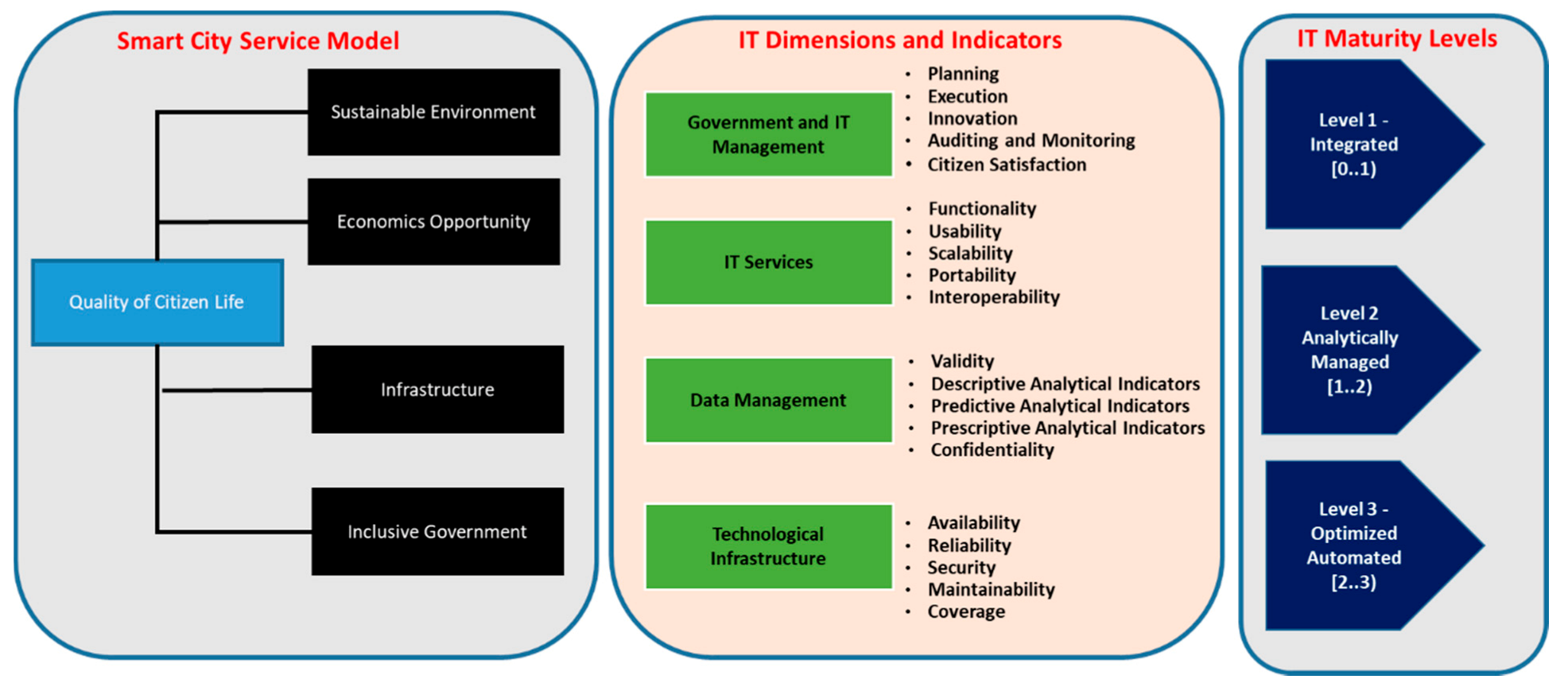

Layer 1 — Spectacle
Can it impress?
Layer 2 — Capability
Does it actually work?
Layer 3 — Resilience
Does it survive real inputs?
Layer 4 — Integration
Does it coexist with existing systems?
Layer 5 — Governance
Is it safe, compliant, and monitored?
Layer 6 — Scalability
Can it operate sustainably under growth?
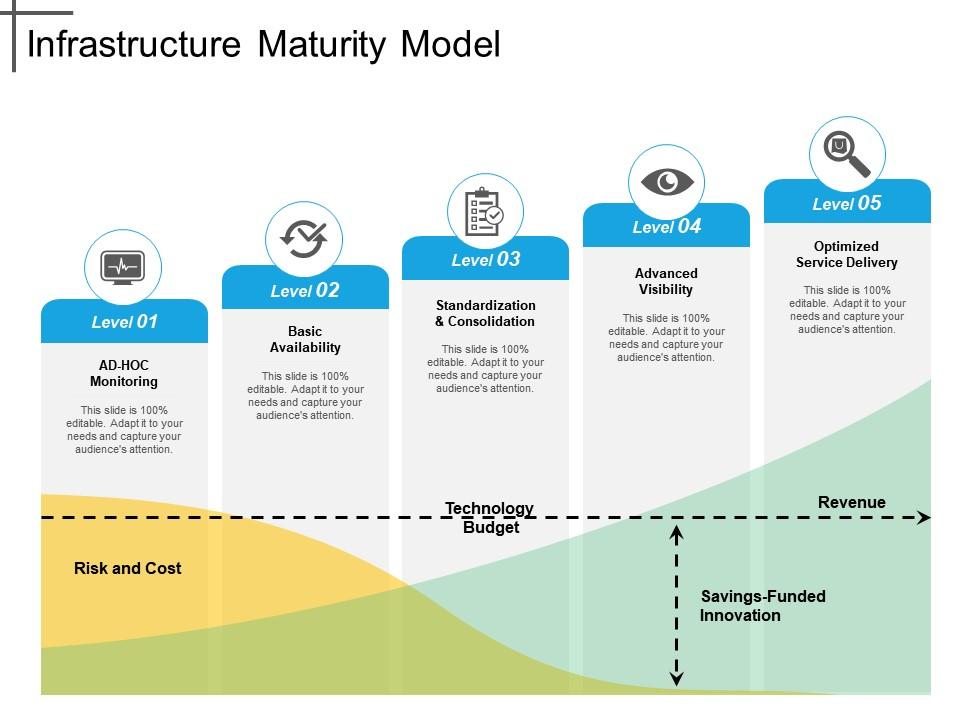
Most companies stop celebrating at Layer 1.
Enduring companies build through Layer 6.
Final Thought
The Demo Economy isn’t evil.
It’s simply incomplete.
Demos start conversations.
Scaling sustains companies.
The organizations that win long-term are not the ones that look smartest in the spotlight.
They are the ones that quietly engineer durability behind it.