Bridging the Context Gap Between Humans and Machines
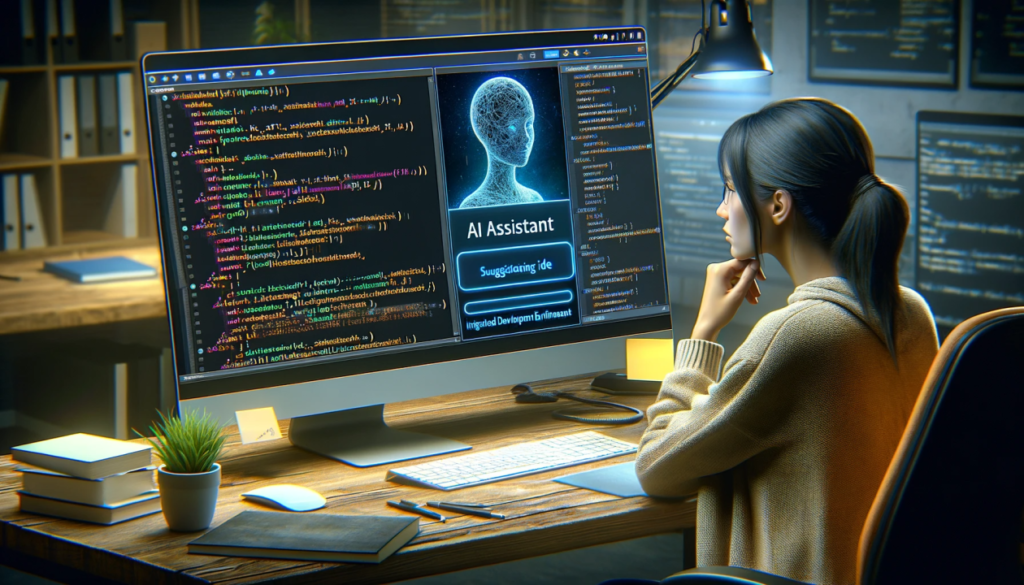
AI coding agents are no longer experimental tools. In 2025, they’ve become a serious productivity layer for software development—handling boilerplate code, refactors, tests, migrations, and even architectural suggestions.
But there’s a catch.
Despite their power, most AI agents still operate with far less context than the human developers guiding them. And in software engineering, context is everything.
This article explores why AI coding agents struggle with context, what that means for real-world development, and how to systematically close that gap.
The Hidden Advantage Human Developers Have
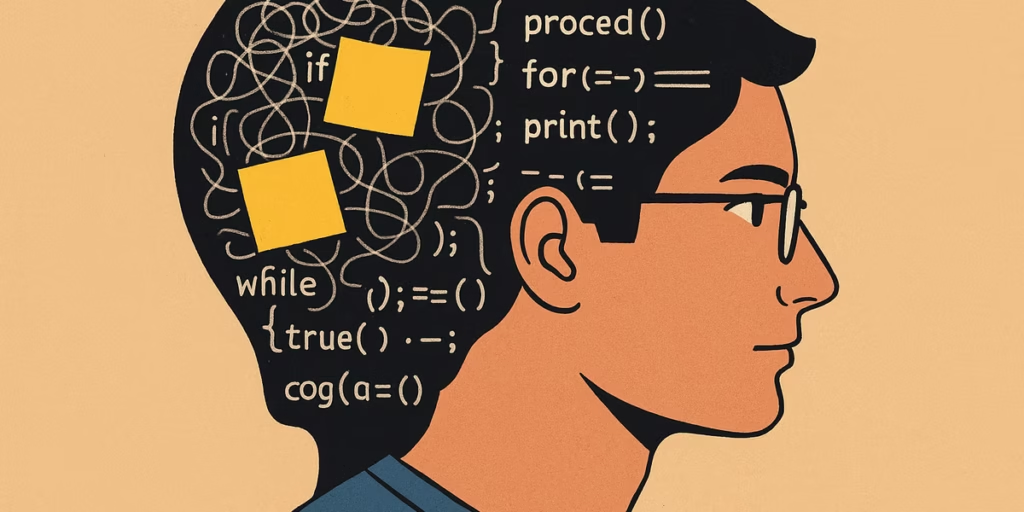
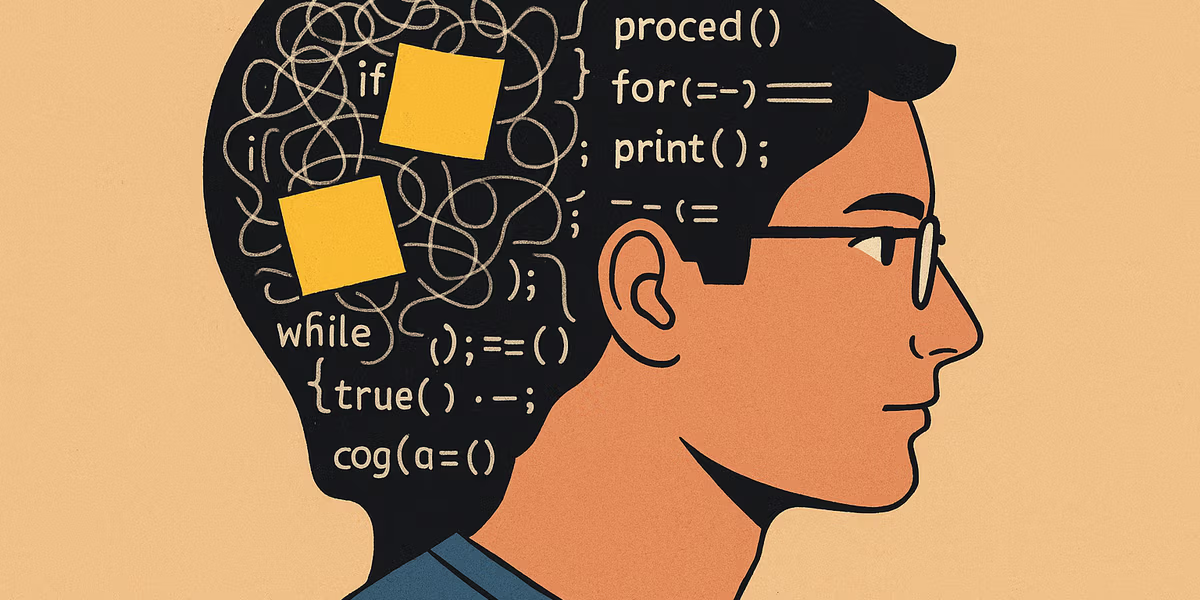
When you write code, you’re not just translating requirements into syntax. You’re carrying invisible context such as:
- The business objective behind a feature
- Prior technical debates and trade-offs
- Constraints discussed in meetings but never documented
- Legacy decisions that shaped the current architecture
- Knowledge of what should not be changed
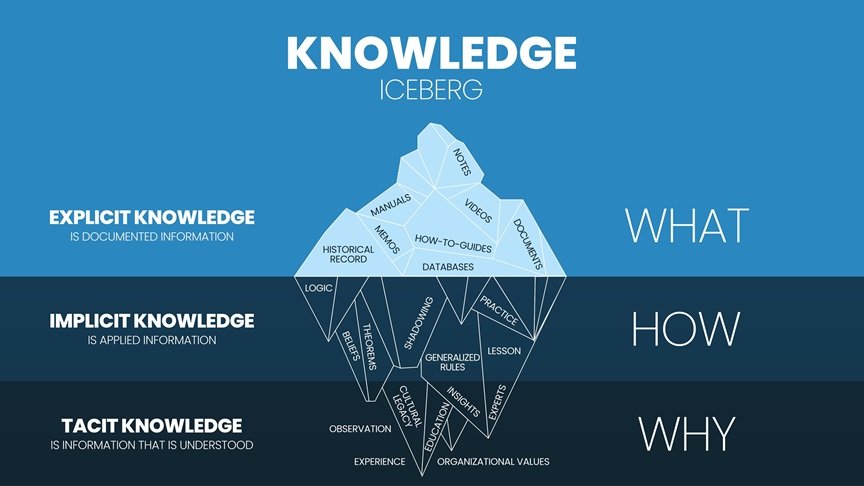
This information lives in your head, Slack messages, whiteboard discussions, and past experiences—not in the repository.
An AI agent, by default, sees none of this.
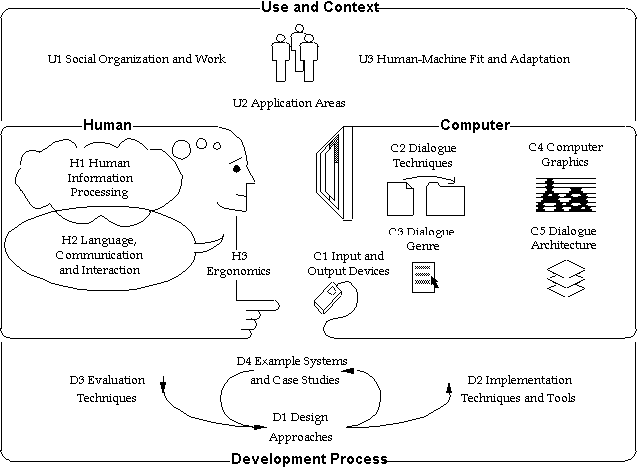
Why Context Matters More Than Code
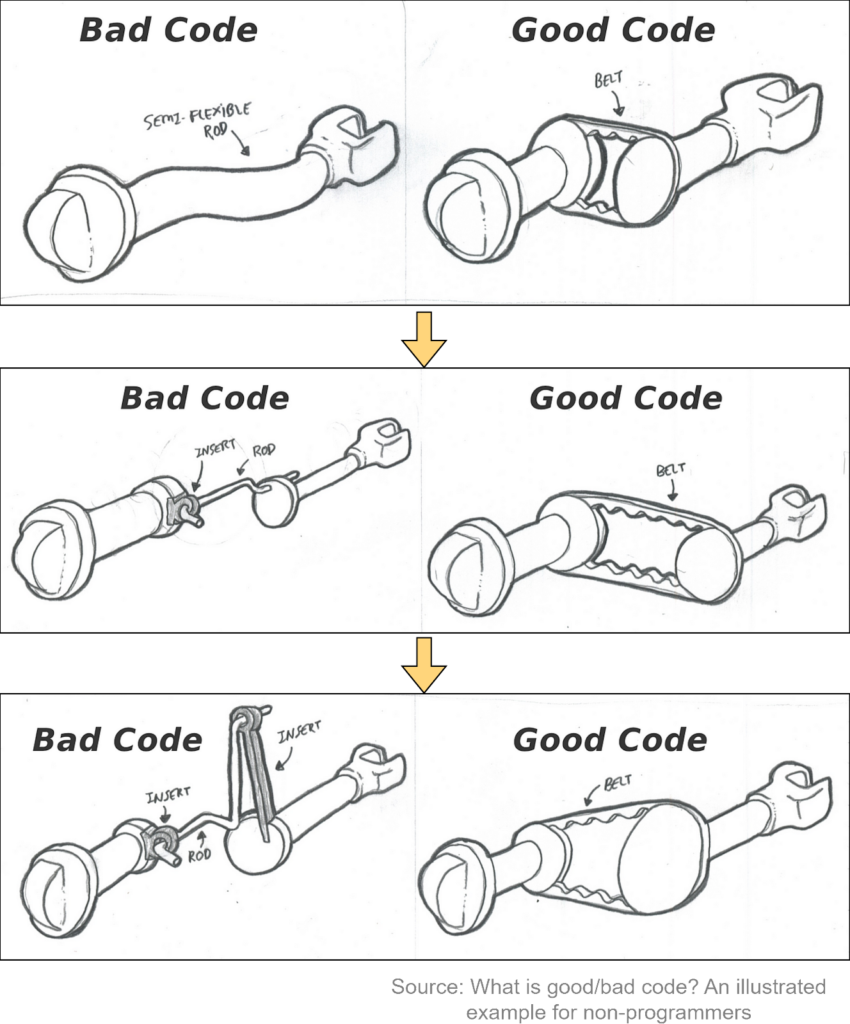
Two developers can write syntactically correct code that passes tests—yet one solution may be fundamentally wrong.
Why?
Because good engineering decisions depend on:
- Why the feature exists
- Who will maintain it
- How it fits into long-term architecture
- What trade-offs were intentionally made
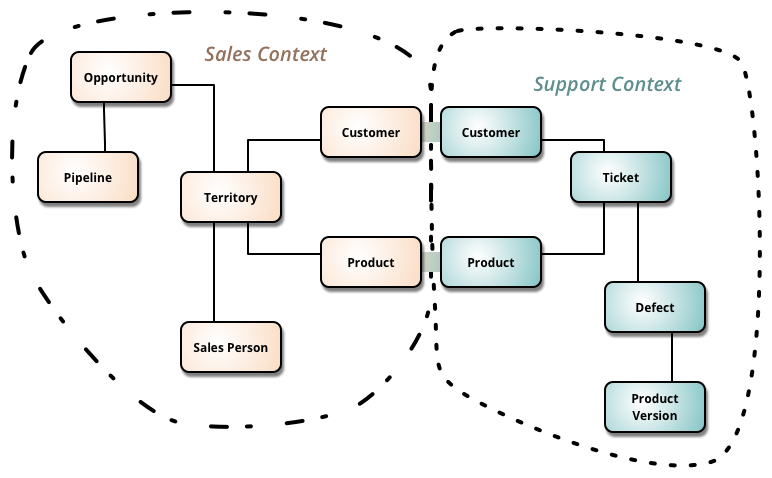
Without context, an AI agent may:
- Over-engineer simple solutions
- Break implicit architectural rules
- Introduce patterns that conflict with team conventions
- Optimize locally while harming the system globally
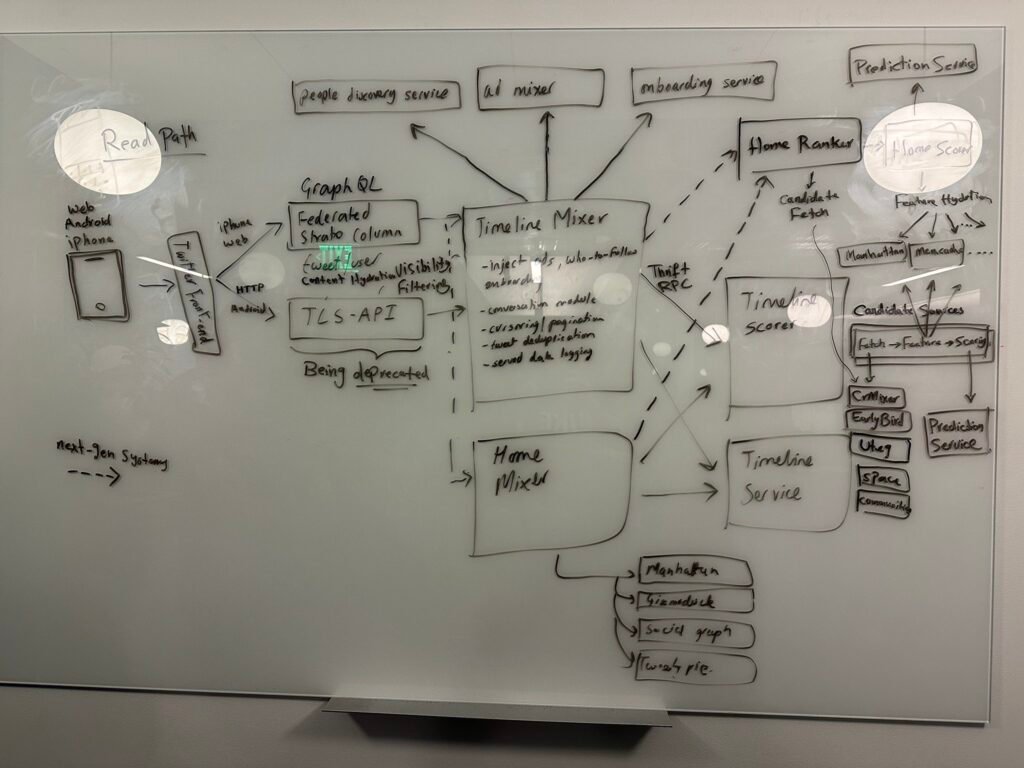
This is not an intelligence problem—it’s a context problem.
The Core Challenge with AI Coding Agents

AI agents excel at:
- Pattern recognition
- Code generation
- Syntax correctness
- Repetition and speed
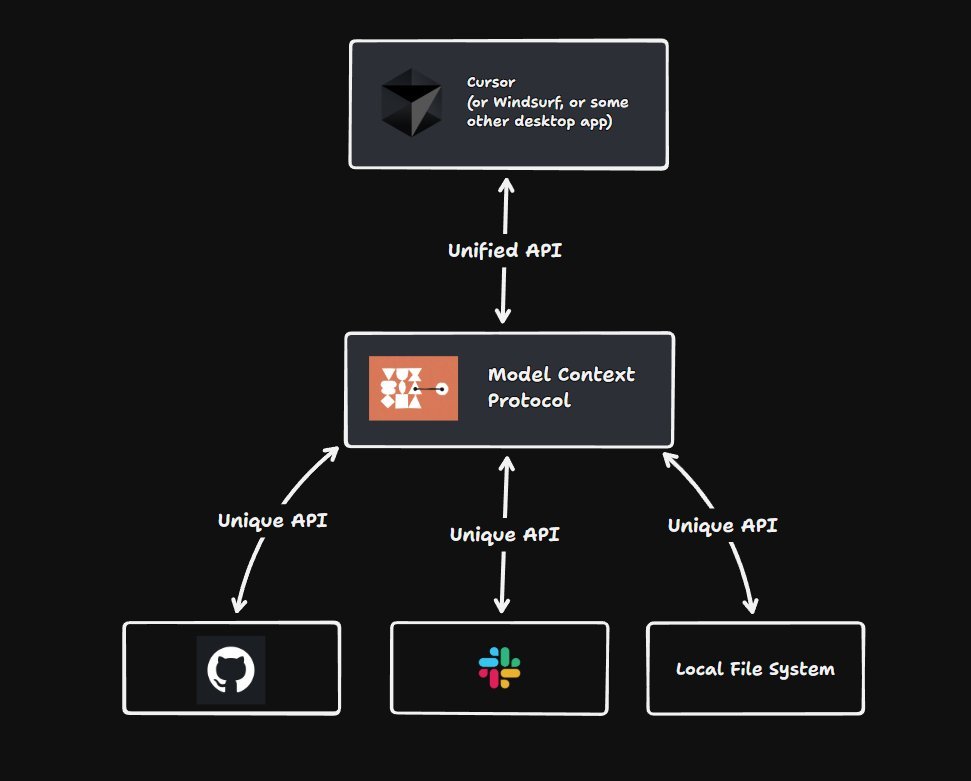
They struggle with:
- Implicit knowledge
- Unwritten decisions
- Organizational norms
- Historical reasoning
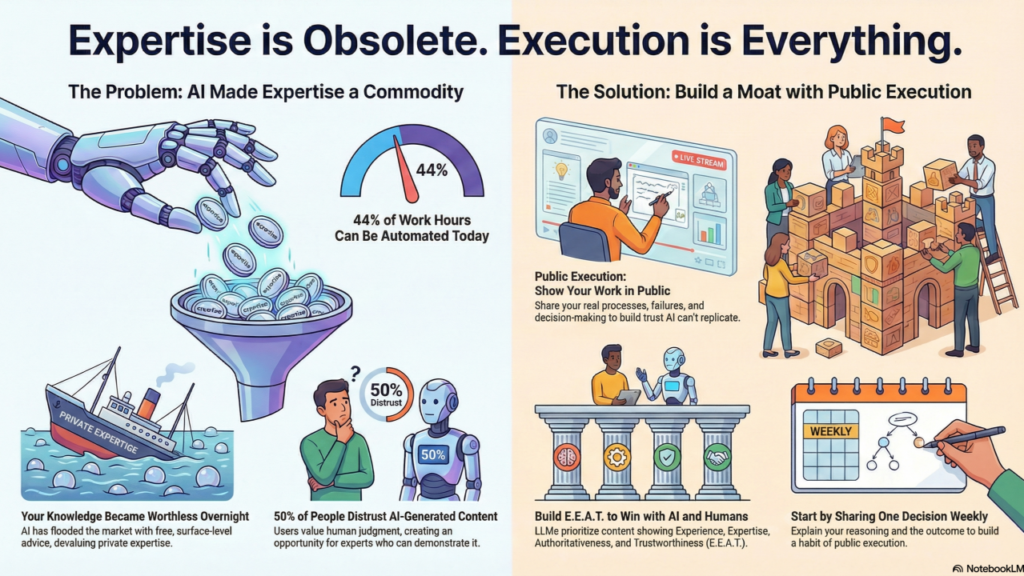
In short:
Agents execute well, but only within the boundaries of the context you provide.
Treat Context as a First-Class Input
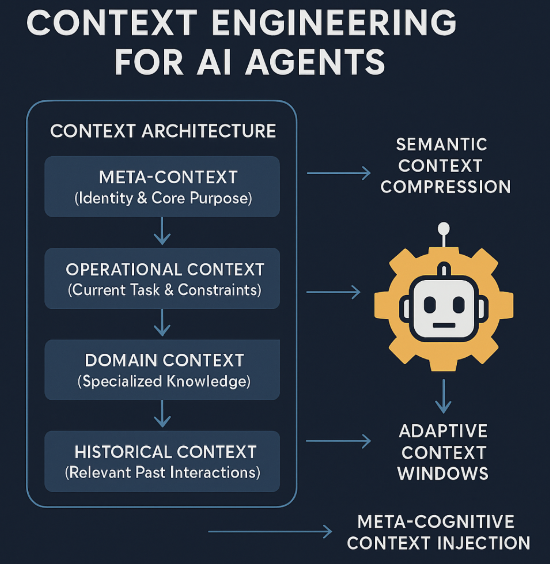
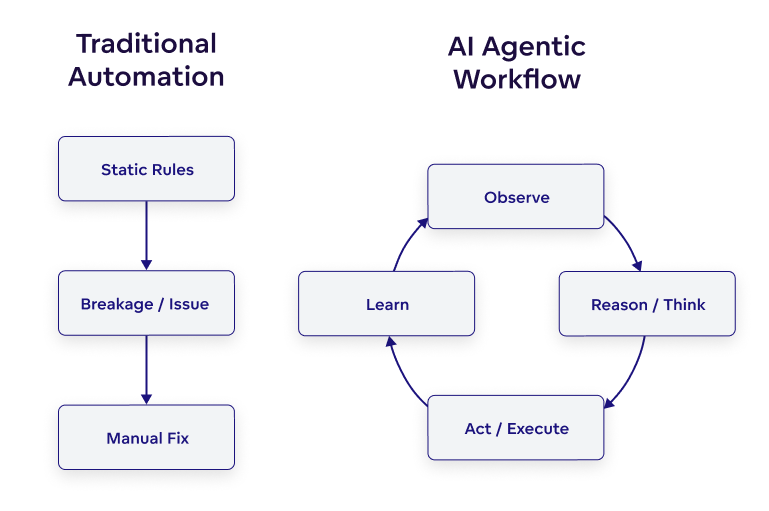
To work effectively with AI coding agents, developers must shift their mindset.
Instead of asking:
“Can this agent write my code?”
Ask:
“Have I given this agent enough context to make the right decisions?”
This means treating context as deliberately as you treat code.
Practical Ways to Give AI Agents Better Context
1. Explicitly State the “Why”
Before asking an agent to implement anything, explain:
- The business goal
- The user impact
- What success looks like
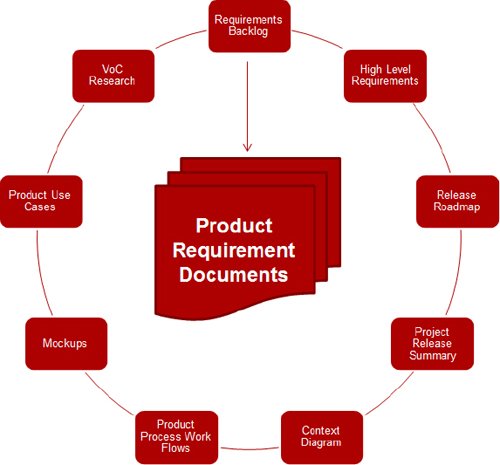
This single step dramatically improves decision quality.
2. Share Constraints, Not Just Tasks
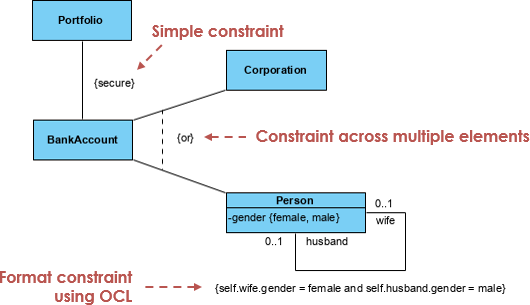
Tell the agent:
- What must not change
- Which patterns are preferred or forbidden
- Performance, security, or compliance constraints
Constraints guide better solutions than instructions alone.
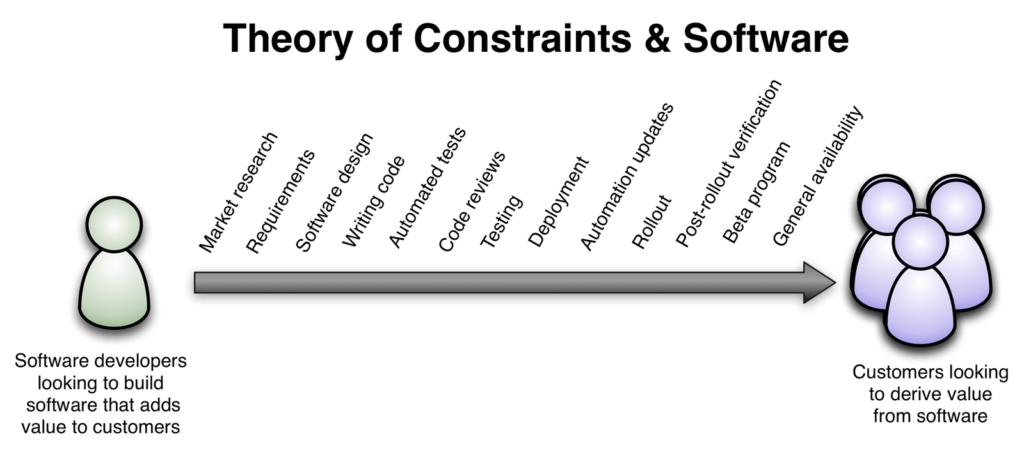
3. Provide Architectural Narratives
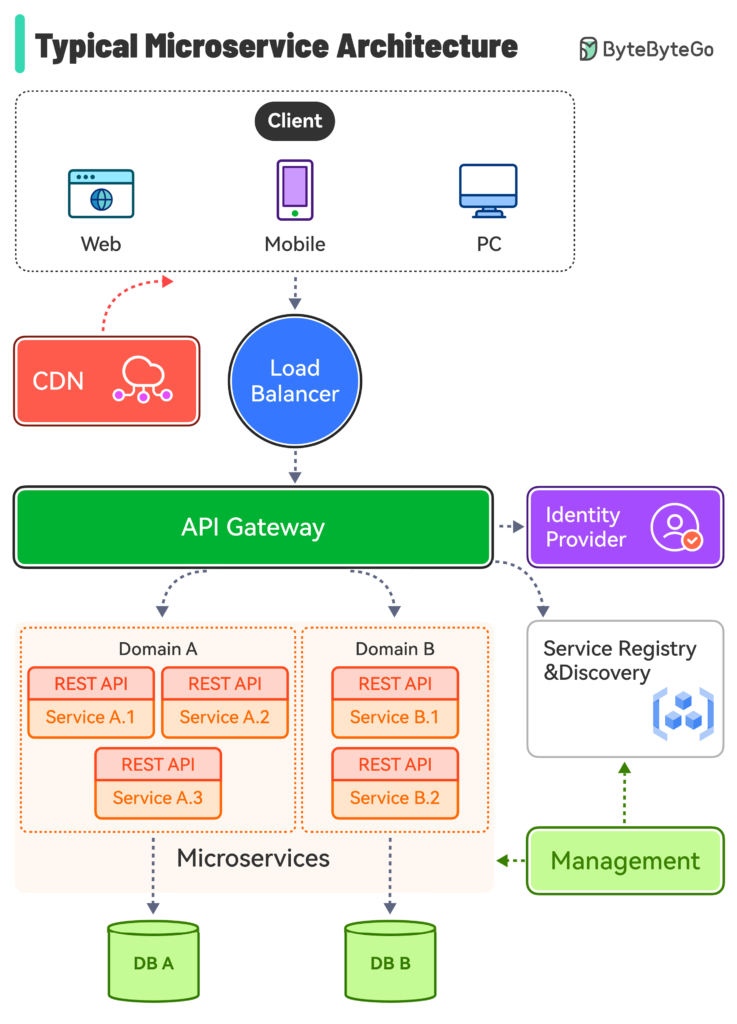
Instead of only sharing files, describe:
- The system’s overall design philosophy
- Key historical decisions
- Known technical debt
This helps agents align with intent, not just structure.
4. Use Written Context as a Living Artifact
Maintain lightweight documents such as:
ARCHITECTURE.mdDECISIONS.md- Feature-level context notes
These are useful for humans—and invaluable for AI agents.
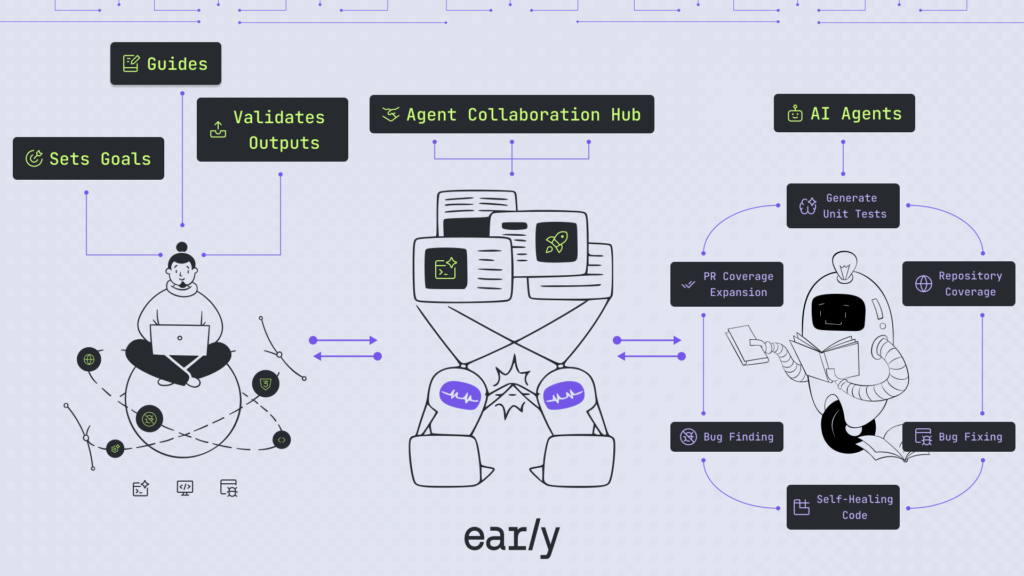
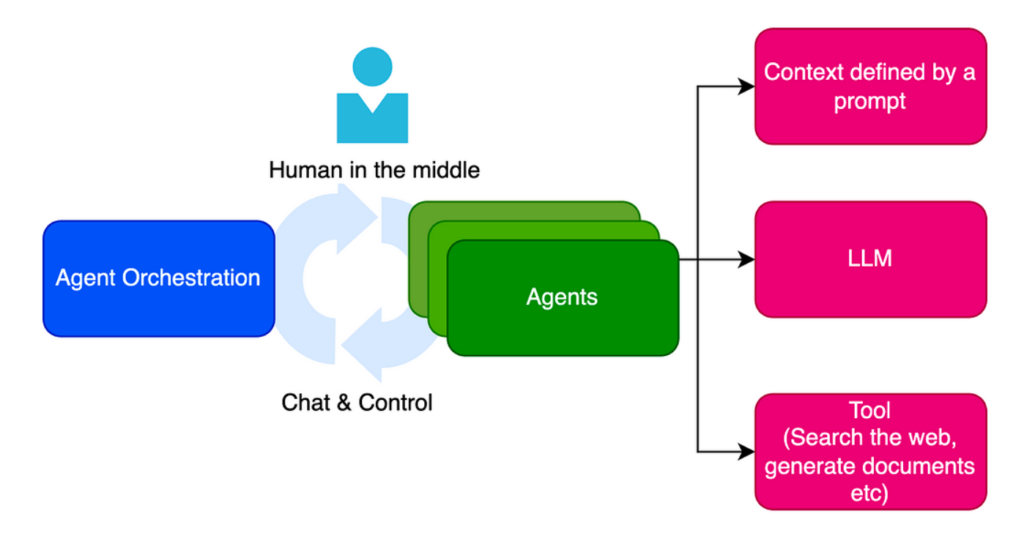
5. Act as the Orchestrator, Not the Executor
The most effective workflow is not “AI replaces developer”, but:
Human defines intent → AI executes → Human validates judgment
You remain responsible for decisions. The agent accelerates execution.
The Future of AI-Assisted Programming
As AI agents become more autonomous, context quality will become a competitive advantage.
Teams that:
- Document decisions clearly
- Communicate intent explicitly
- Design with long-term clarity
will extract exponentially more value from AI tooling than teams who treat agents as magic code generators.
The future isn’t about smarter agents alone—it’s about better human-agent collaboration.
Quantdig Perspective
AI coding agents are powerful—but only when grounded in human context.
The real skill in modern software development is not prompting models to write more code faster.
It’s learning how to transfer understanding, intent, and judgment into systems that can act on our behalf.
Those who master this will define how software is built in the agentic era