
The Invisible Skill That Separates Power from Authority

Great minds
In every organization, strategy sets direction. Execution delivers results.
But communication is what makes people believe.
Great leaders aren’t just decision-makers. They are meaning-makers. They don’t merely talk—they shape clarity, confidence, and conviction through the way they communicate.
At Quantdig, we study patterns across business, technology, and leadership. One pattern appears repeatedly:
The best leaders don’t communicate more. They communicate better.
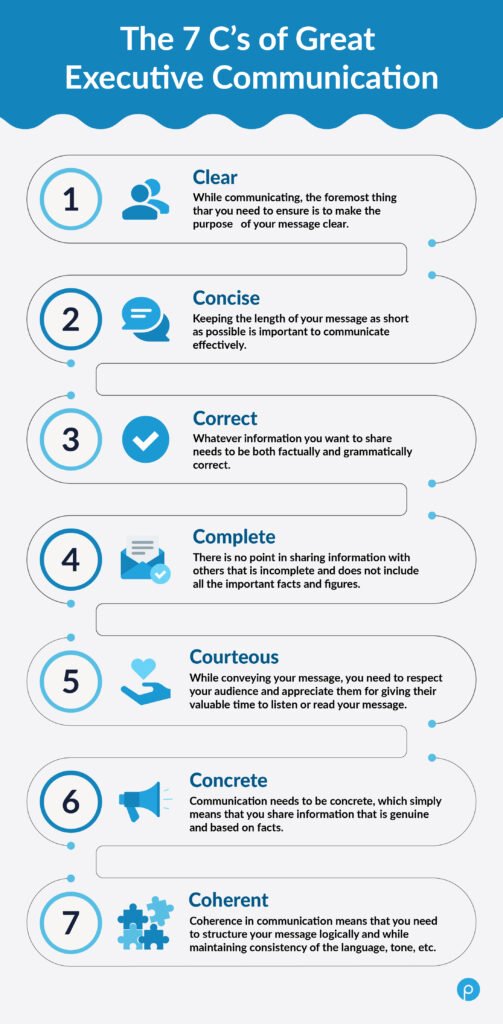
1. They Speak With Clarity, Not Complexity
Average leaders sound intelligent.
Great leaders sound understandable.
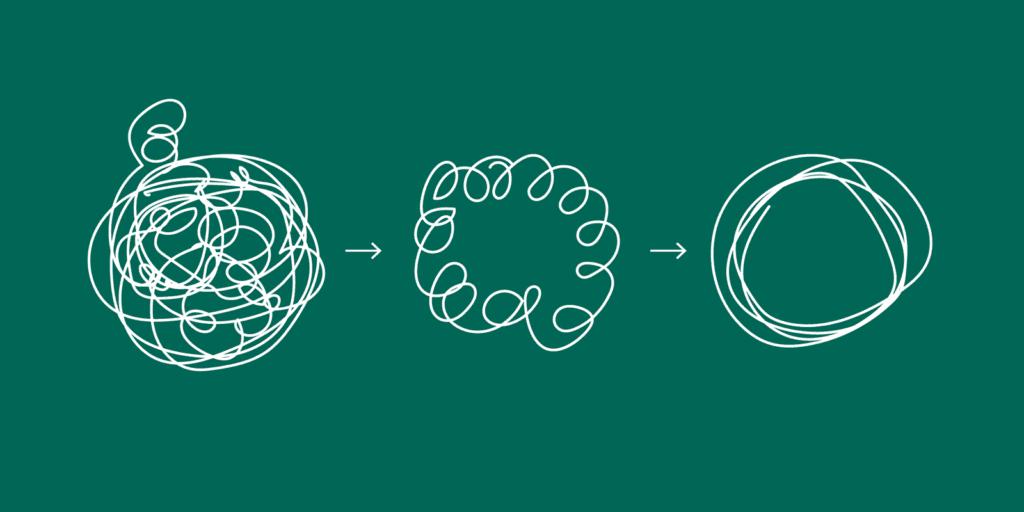
They reduce chaos into simple mental models:
- One clear goal
- One clear priority
- One clear direction
They don’t overload teams with jargon or long explanations. They answer the real question people care about:
“What matters right now?”
Clarity creates speed. Confusion creates friction.
2. They Communicate Vision Before Instructions

Poor leadership starts with how.
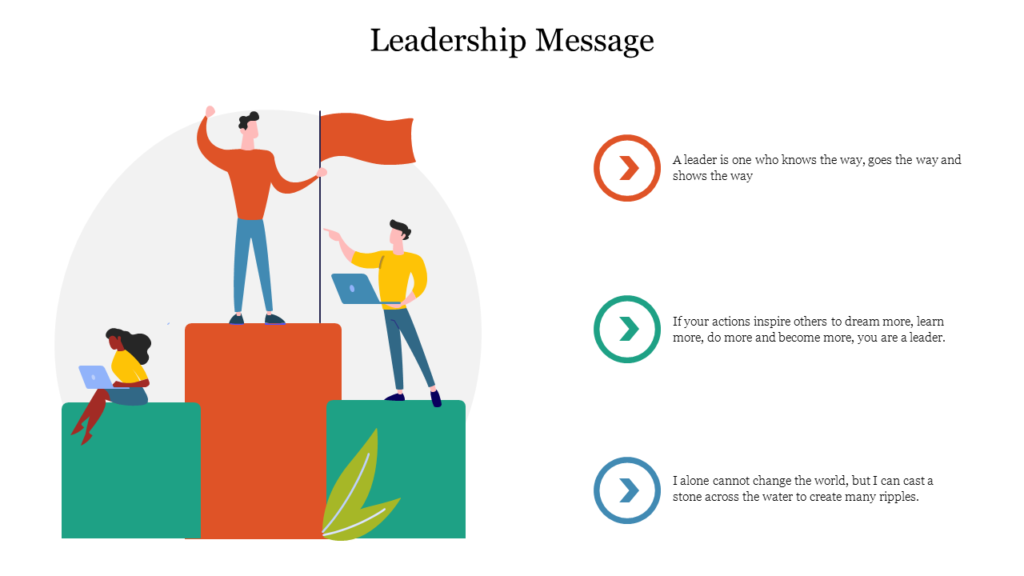
Great leadership starts with why.
Instead of saying:
“Do this because I said so.”
Great leaders say:
“This is where we’re going—and this is why it matters.”
When people understand the destination, they don’t need micromanagement. Vision turns employees into owners.
3. They Repeat the Message Until It Sticks


Many leaders assume:
“I said it once, so everyone knows.”
Great leaders know:
A message isn’t delivered when it’s spoken—it’s delivered when it’s remembered.
They repeat key ideas:
- In meetings
- In emails
- In town halls
- In casual conversations
Repetition isn’t redundancy. It’s reinforcement.
4. They Listen More Than They Speak

Leadership communication is not a broadcast. It’s a dialogue.
Great leaders:
- Pause
- Ask questions
- Absorb dissent
- Invite uncomfortable truths
They don’t fear silence. They use it.
Listening builds trust. And trust is the currency of influence.
5. They Adjust the Message, Not the Truth

Great leaders never dilute the truth—but they adapt the delivery.
They know:
- How to speak to engineers vs executives
- How to communicate in crisis vs growth
- When to be firm vs empathetic
Same truth. Different tone. Different audience.
That’s not manipulation—that’s mastery.
6. They Communicate Calm in Chaos

When uncertainty rises, people don’t look for answers first.
They look for emotional signals.
Great leaders communicate:
- Stability when markets shake
- Confidence when plans change
- Perspective when fear spreads
Even when they don’t have all the answers, their presence says:
“We’ll figure this out.”
And that alone keeps teams moving forward.
7. They Align Words With Actions
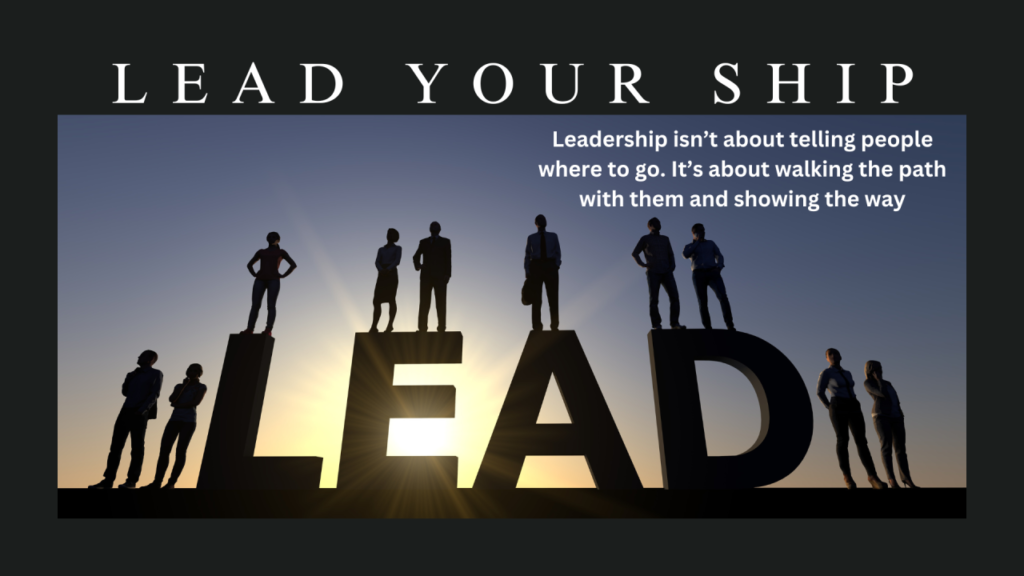
Nothing destroys leadership credibility faster than misalignment.
Great leaders understand:
Every action is communication.

If they talk about culture but reward politics—people notice.
If they preach innovation but punish failure—people remember.
Consistency is the loudest message.
The Quantdig Takeaway
In a world obsessed with tools, frameworks, and technology, communication remains the most underrated leadership skill.
Because strategies fail. Markets shift. Technologies change.
But leaders who communicate well build belief—and belief builds resilience.
Great leaders don’t just lead people.
They lead minds—one conversation at a time